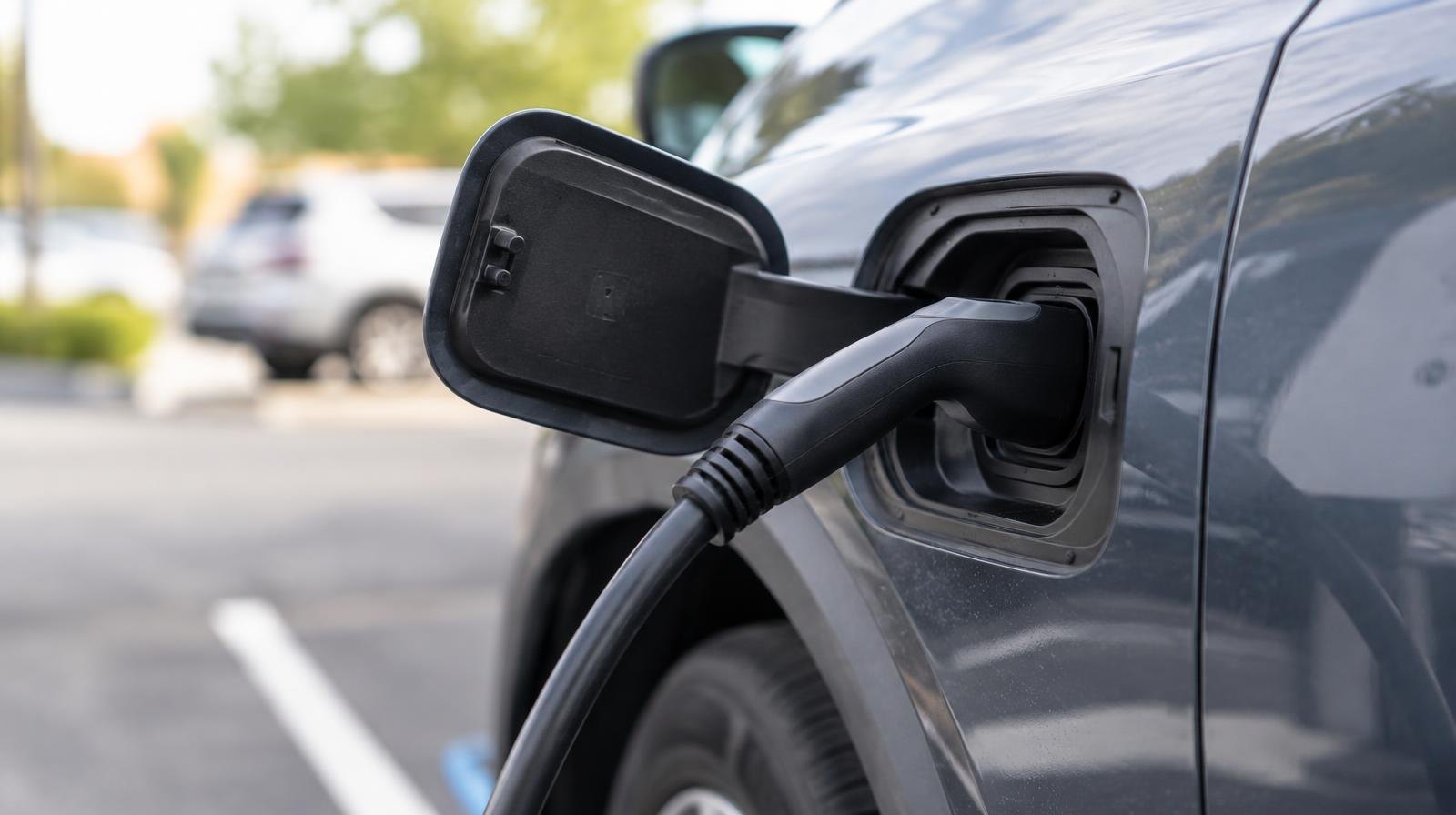
League City electric vehicle owners could see a new $130 annual federal fee added to their registration costs under a highway bill moving through Congress.
The fee is part of the BUILD America 250 Act, a $580 billion surface transportation bill that the House Transportation and Infrastructure Committee approved 62-2 on May 22, USA Today reported. The bill has not passed the full House or Senate.
The proposed fee would be collected when EV owners register their vehicles each year. It could increase by $5 annually until it reaches a cap of $150. Plug-in hybrid owners would face a separate $35 fee that could rise to $50 by 2031.
Texas EV owners already pay $200
Texas charges EV owners a $200 annual registration fee, according to The Weekly Driver. The proposed federal fee would stack on top of that state charge.
The Frontier Group, a policy research organization, found that if the federal fee is adopted, typical EV drivers in Texas would pay over 60% more in taxes and fees than drivers of gasoline-powered vehicles. Across the country, EV drivers in 33 states would pay more than gas-car drivers, the group's analysis found.
Texas has 230,125 registered EVs, third-most nationally, according to The Weekly Driver.
Why the fee exists
EV drivers do not pay the federal gas tax of 18.4 cents per gallon that funds road and transit construction through the Highway Trust Fund. That tax has not increased since 1993 and brings in about $40 billion a year, according to the Tax Policy Center, as cited by USA Today. As vehicles have become more fuel-efficient and more drivers have switched to EVs, less money per mile driven has been collected.
Rep. Sam Graves, a Missouri Republican who chairs the House Transportation Committee, said in a statement that the EV fee "ensures that electric vehicle owners begin paying their fair share for the use of our roads."
Rep. Rick Larsen, a Washington state Democrat and the panel's ranking member, called the bipartisan highway bill "a commitment to bipartisan lawmaking means finding compromise."
Bill supporters note the fee would require no tracking or reporting of drivers' travel. That sets it apart from mileage-based proposals that have also been floated.
Passage faces steep odds
Current surface transportation funding expires Dec. 11. Congress resumed its session Nov. 9 and faces a tight window to act, Landline Media reported.
Landline Media reported the chances of passing the full bill appear slim. Many current House and Senate members will not return in 2027, and control of both chambers shifts to Democrats next year. The outlet reported the most likely outcome is another short-term extension of current funding before the Dec. 11 deadline.
EV supporters have argued that additional annual fees increase the cost of owning an electric vehicle. A driver who opts for a new or used EV could save $2,200 annually on gas, according to the U.S. Department of Energy, as cited by USA Today. A $130 federal fee on top of Texas' $200 state fee would cut into those savings.