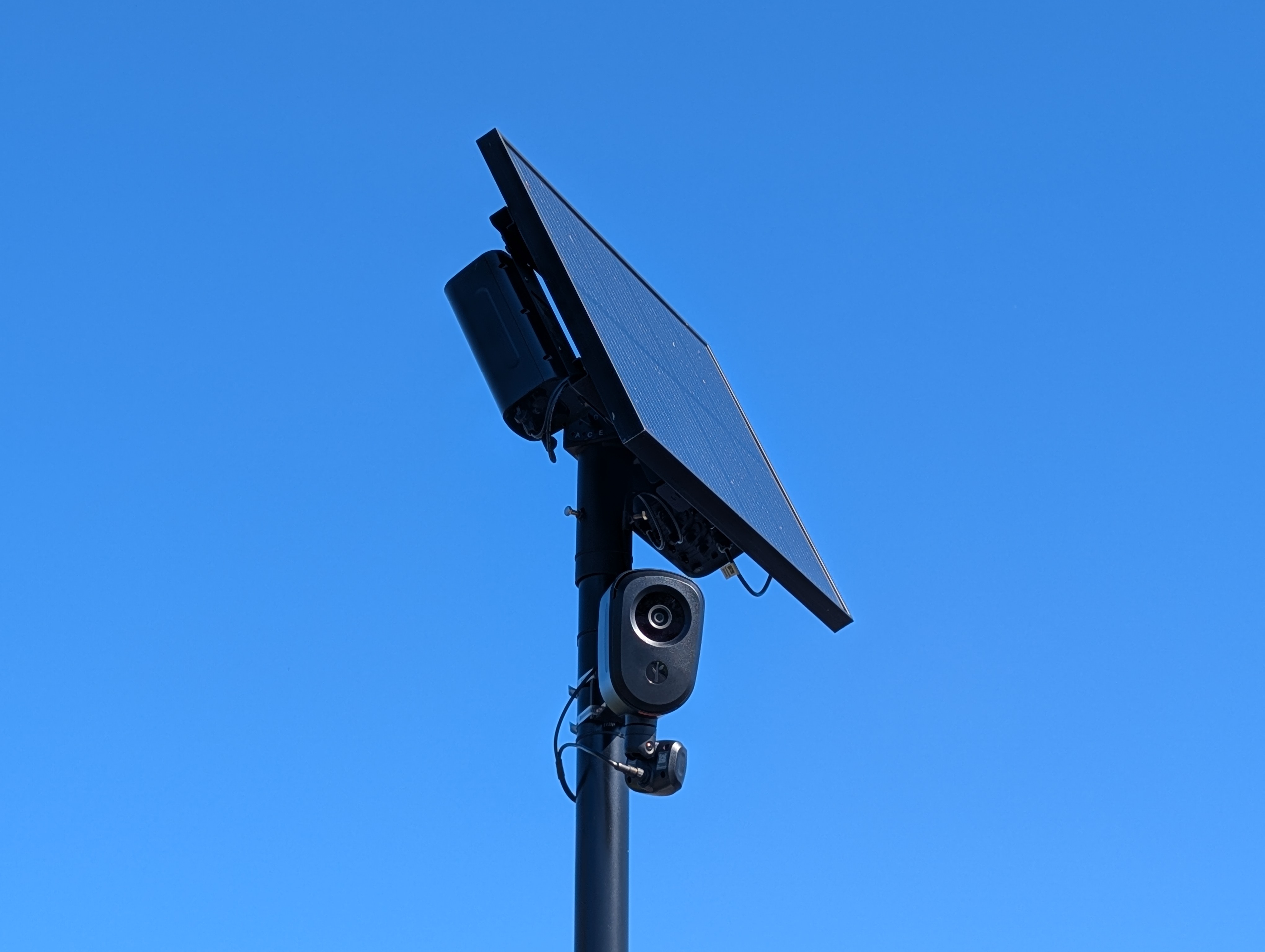
A state lawmaker has filed a bill that would impose statewide limits on license plate reader cameras like the ones League City voters just rejected.
House Bill 763, filed Nov. 9 by state Rep. Mary González, D-Clint, would restrict how government agencies use automated license plate readers (ALPRs), require most collected data to be destroyed within 48 hours and ban sharing that data with federal agencies, KPRC 2 reported.
The bill was filed six days after League City voters rejected Proposition A on Nov. 3, with about 54% opposing the police department's continued use of Flock cameras at fixed locations on public roadways, according to Spectrum News. Those results are unofficial. The city council is scheduled to canvass the vote at its Nov. 17 meeting, according to KPRC 2's earlier reporting.
KPRC 2 reported that the bill comes amid growing scrutiny of the surveillance technology across Texas, citing concerns about privacy, unauthorized searches and access to data by federal immigration authorities. League City's vote and a Harris County Commissioners Court decision in October to establish an oversight group for the technology were both noted as examples of local action on the issue.
Texas has no statewide law governing how police departments use automated license plate readers, KPRC 2 reported. Individual agencies set many of their own rules.
What the bill would do
Under HB 763, government use of the cameras would be limited to specific purposes: investigating felonies, locating missing people, recovering stolen vehicles and identifying uninsured or unregistered vehicles, according to KPRC 2. The bill would also permit their use for toll collection, parking enforcement and controlling access to secured areas.
Agencies would be prohibited from sharing captured license plate data with the federal government, including U.S. Immigration and Customs Enforcement (ICE). Sharing with other government agencies would be restricted to purposes the bill specifically authorizes.
Most collected data would have to be destroyed within 48 hours. Exceptions would apply to evidence in criminal proceedings, warrants and certain preservation requests.
Agencies would also have to publish policies governing camera use and submit annual reports detailing how the technology is used, including the number of scans conducted and arrests resulting from database searches. Texans harmed by violations could sue for actual damages or $1,000 in statutory damages, plus court costs and attorney's fees, KPRC 2 reported.
The bill's legislative record shows it was filed ahead of the 90th Texas Legislature, which convenes Jan. 12, 2027.
League City's removal moves forward
League City crews began covering the city's 55 Flock cameras after the Nov. 3 vote. Mayor Nick Long, who supported Proposition A, asked staff to immediately bag the cameras to stop data collection, according to KPRC 2.
The city council passed a resolution in October requiring the cameras to be removed from public roadways within 72 hours after the official results are canvassed. The city must also review its contract with Flock Safety and pursue options including amendments, partial termination or negotiated termination, KPRC 2 reported. The city has not announced how much ending the agreements early could cost.
The proposition was technically nonbinding, according to the city's election ordinance. But the council's October resolution committed the city to act on the results.
Law enforcement agencies have defended the cameras as tools for solving crimes, recovering stolen vehicles and locating missing people, KPRC 2 reported. League City police said the cameras assisted with more than 300 criminal investigations in the past year, according to KHOU 11 reporting from August.
The 90th Texas Legislature convenes Jan. 12, 2027, when HB 763 could be assigned to a committee for consideration.