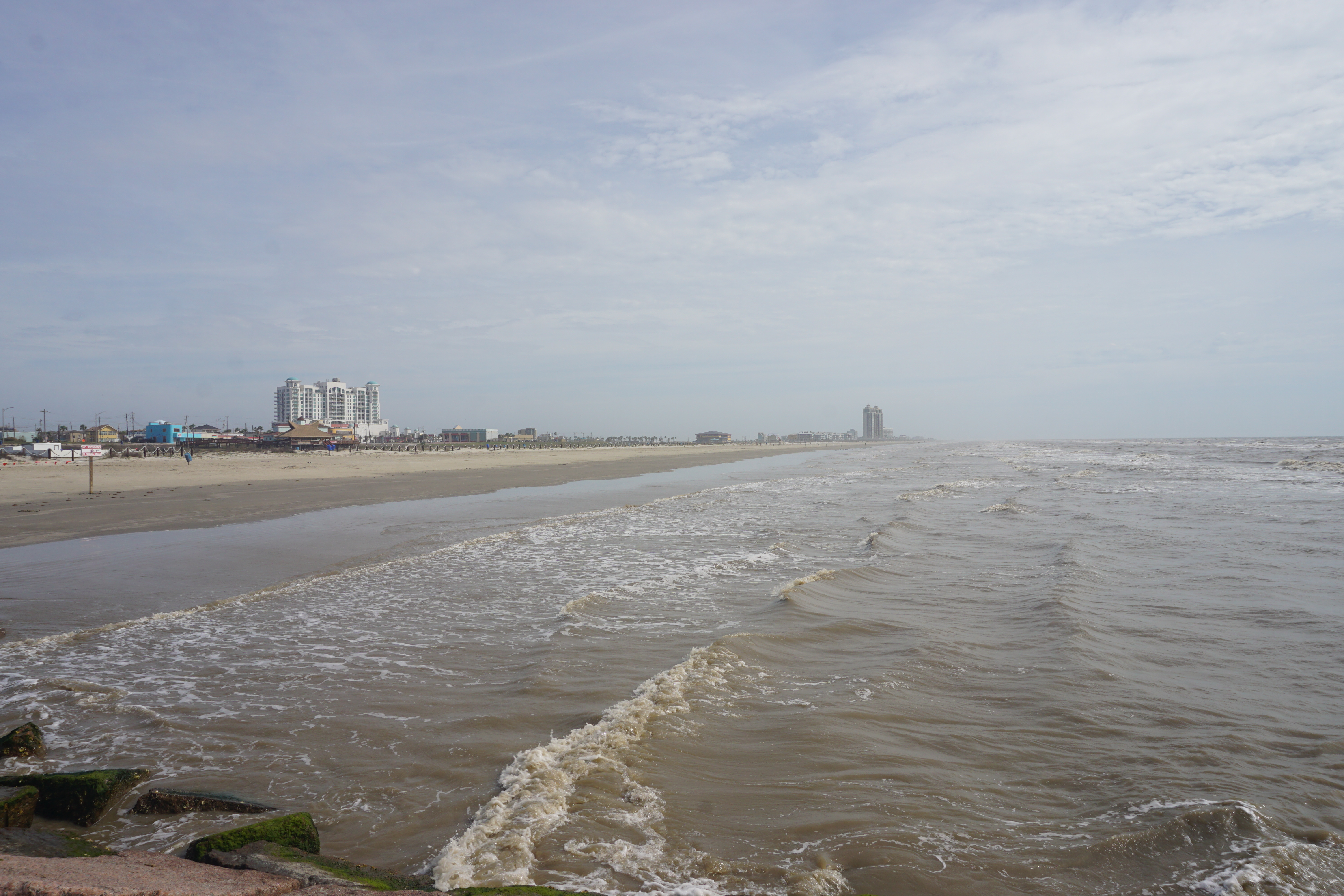
League City residents heading to Galveston beaches this summer should know that five people in Galveston County have contracted Vibrio vulnificus infections so far in 2026, including two who were hospitalized after open wounds were exposed to beach water.
Both hospitalized patients made full recoveries, according to Dr. Philip Keiser, the county's local health authority, who spoke to KPRC 2 on Wednesday, Aug. 12. But the cases carry fresh urgency: neighboring Louisiana has reported nine infections and five deaths from the same bacteria this year, according to USA Herald citing the Louisiana Department of Health. That pace far exceeds Louisiana's 10-year average of about seven cases by this point in the year.
Galveston County typically sees about 10 Vibrio vulnificus cases annually, Keiser said. The county's 2026 numbers remain within the expected range.
What the bacteria does
Vibrio vulnificus thrives in warm, salty or brackish coastal water and is most concentrated from May through October. It can enter the body through open wounds or through raw shellfish, particularly oysters.
"It can get into wounds and cause severe infections of people's limbs, and it can spread all over the body," Keiser said. "Any type of chronic liver disease, people who have any other type of immunosuppression — we're seeing a lot of that lately — would put you at higher risk."
The CDC estimates roughly one in five people infected with Vibrio vulnificus dies, sometimes within 24 to 48 hours of symptom onset. Warning signs include skin redness or a rash that quickly becomes swollen or painful, fluid-filled blisters, fever and altered mental state.
Why Louisiana's numbers are spiking
Keiser said water temperature, salinity and rainfall runoff create conditions where the bacteria flourishes. He attributed Galveston's lower numbers partly to luck.
"If you have lots of rain in the area and that runoff is coming into your area, it gets to a sort of sweet spot, and then the bacteria grows," he said.
All nine of Louisiana's patients had underlying health conditions and open wounds exposed to seawater. Nationally, the U.S. reports an estimated 150 to 200 Vibrio vulnificus cases each year, with roughly half occurring in Gulf Coast states.
How to protect yourself
Health officials advise anyone with an open wound, including cuts, scrapes, burns, surgical sites, fresh tattoos or piercings, to avoid saltwater and brackish water entirely. If exposure is unavoidable, cover wounds with a waterproof bandage and wash thoroughly with soap and water immediately after.
People with liver disease, diabetes or weakened immune systems should avoid raw shellfish.
Keiser recommended beachgoers check the Texas Beach Watch program before visiting Galveston beaches. The program, administered by the Texas General Land Office and funded by the EPA, monitors water quality at 172 stations along the Texas coast during peak season. It tests for Enterococcus bacteria as a general water quality indicator but does not test specifically for Vibrio vulnificus.
Residents with questions can contact the Galveston County Health District at (409) 949-3459.