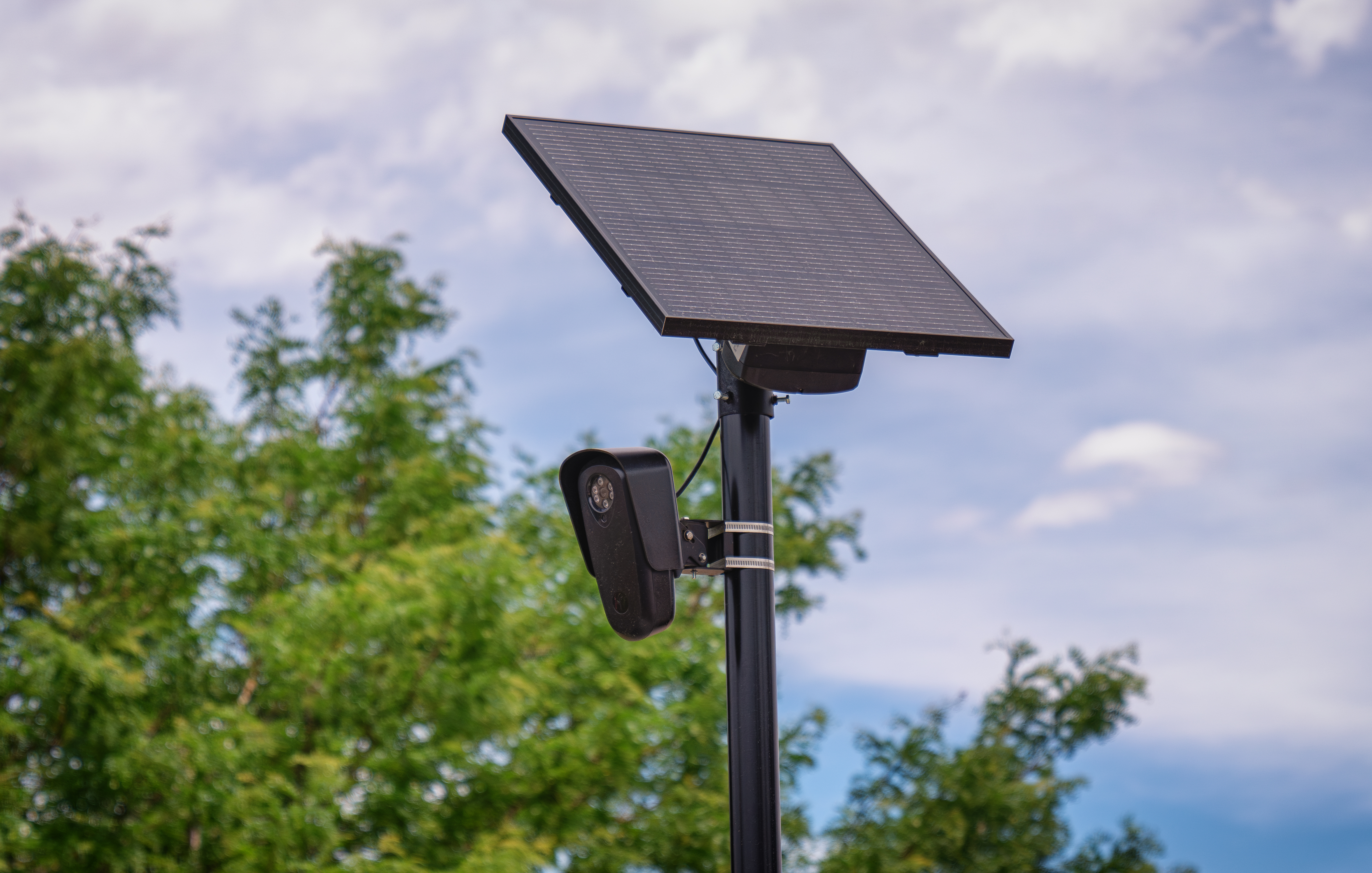
Three Harris County Sheriff's Office deputies had their access to Flock license plate reader cameras suspended Friday, Aug. 14, after the department learned of potentially questionable searches on the same surveillance system League City voters will face on the Nov. 3 ballot.
The suspensions came three days after League City's City Council voted 6-1 to place a nonbinding advisory referendum asking residents whether the League City Police Department should continue operating 55 Flock cameras on public roadways.
Separately, the Deer Park Police Department announced the same day that it had taken "substantial disciplinary action" against an officer whose internal audit revealed misuse of the Flock system, ABC13 reported. Deer Park did not release the officer's name or describe the nature of the misuse.
What happened in Harris County
Harris County Sheriff Ed Gonzalez said in a statement that his office disabled the three deputies' Flock access and launched an administrative review. The inquiry began after a USA Today reporter contacted the department about the deputies' search activity.
HCSO manages 480 Flock cameras across 20 networks in Harris County. The department said any policy violations could result in discipline up to termination, and evidence of criminal wrongdoing would be referred to the Harris County District Attorney's Office. HCSO also announced it will now require deputies to provide a case code for all license plate searches.
Gonzalez acknowledged the technology is "subject to abuse" but called it a powerful public safety tool, adding that any deputy who abuses the public trust will be held accountable "both professionally and criminally."
Neither HCSO nor Deer Park identified the officers involved or disclosed what the alleged misuse entailed.
Flock tightens rules
One day before the HCSO suspensions, Flock Safety CEO Garrett Langley announced new mandatory safeguards: a reduced default data retention period of seven days instead of 30, a requirement that officers enter a case code for every search, and mandatory activation of an audit tool that flags abnormal activity. All law enforcement customers must comply by the end of 2026.
The audit tool had been optional since April. Only about one-third of agencies had turned it on before Langley made it mandatory.
More than 50 agencies or communities nationwide have canceled, suspended or rejected Flock contracts since the beginning of 2026, according to a Stateline report citing the grassroots tracking group DeFlock.
What it means for League City
The Harris County and Deer Park cases are not the first Flock misuse incidents in the Houston area. Previous cases include a Baytown officer who resigned under investigation, a former Pasadena officer who surrendered his law enforcement license to avoid prosecution, and a Fort Bend County deputy suspended for looking up one person's plate 41 times and another's 148 times, according to ABC13.
Mayor Nick Long pushed the referendum in part over oversight concerns. At the Aug. 11 council meeting, Long proposed a citizen-led accountability committee, a requirement that all searches be tied to a police case number, limits on who can access camera data and a public portal showing camera locations and access frequency.
"We'll work immediately on creating a better system to control this data, a better system to hold ourselves accountable and to hold Flock accountable, and to really put sunshine on what we're using the cameras for and how that data is being protected," Long said at the Aug. 11 meeting when the council approved placing the referendum on the ballot.
Attorney Dan Cogdell drew a distinction between detection and transparency: "An audit tool that flags misuse after the fact is better than nothing, but it's not accountability. Accountability means the public gets to see what was found."
League City police credit the Flock system with aiding 305 criminal investigations from July 2025 through August 2026 and recovering roughly $1 million in stolen property. The city's five-year Flock contract, approved in December 2023, is valued at nearly $900,000 for 70 cameras.
League City voters will weigh in on the cameras Nov. 3. City Council retains final authority over whether the system stays or goes.