Plaintiffs fighting Galveston County's mid-election precinct map swap have taken their case back to the Texas Supreme Court, filing a new emergency petition on Aug. 22 after the 14th Court of Appeals denied their bid to block the redrawn boundaries.
The Texas Supreme Court has set Monday, Aug. 31, as the deadline for Galveston County to respond to the petition, case No. 26-0916. If the court does not intervene, League City voters and residents across the county will head to the November general election under precinct lines drawn after the March primary.
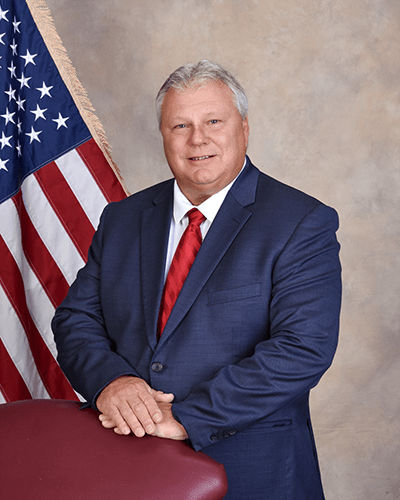
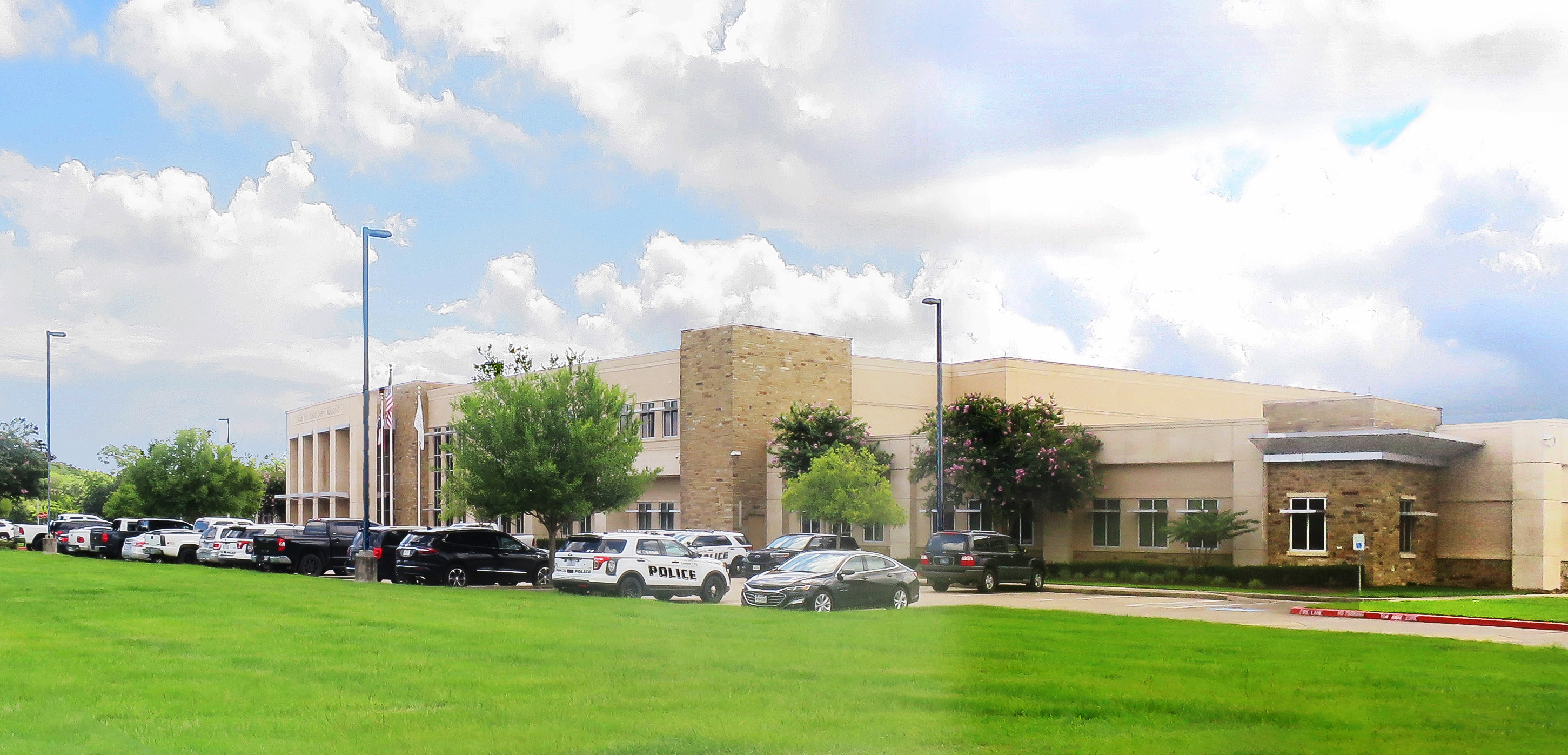
The legal battle centers on whether the county can hold its November general election using precinct maps adopted months after the March primary. Galveston County commissioners voted 5-0 on June 29 to redraw boundaries for commissioner, constable and justice of the peace precincts at a special meeting at the Calder Annex in League City. County Judge Mark Henry moved the item; Commissioner Hank Dugie seconded it.
The maps took effect immediately, meaning voters who cast primary ballots under the old boundaries could face different candidates, different precincts or no election at all in November for those seats. According to an Aug. 4 court filing, two commissioner precincts and three justice of the peace precincts on the November ballot have new boundaries that differ from those used in March.
Precinct 3 Constable Derreck Rose and two county residents are the named plaintiffs. They argue the switch violates the Equal Protection Clause of the Fourteenth Amendment, the Texas Constitution and the Texas Election Code.
"I ran on the promise of being a fiscal conservative and turning Galveston County Republican," Henry said in a June 29 statement reported by Houston Public Media. "This map accomplishes just that."
Bernadette Reyes, voting rights counsel at the UCLA Voting Rights Project, said election rules should not change after voters have already begun casting ballots, according to Fox 26 Houston. She called the mid-election redraw a threat to equal representation and confidence in the democratic process.
The 14th Court of Appeals ruled on Aug. 20 that plaintiffs had "not met their burden of proof that no disputed facts exist and the duty they seek to compel is clear." The court did not address whether the map change itself was legal, only that the high bar for a writ of mandamus had not been reached.
That denial followed an earlier Texas Supreme Court decision directing plaintiffs to file in a lower court first.
The June 29 special meeting drew more than 40 residents to public comment, according to county meeting records. Henry said the new map creates overlapping precincts for fiscal efficiency and to enhance Republican outcomes.
The precinct fight runs parallel to a separate 2022 federal lawsuit alleging the county's previous maps weakened Black and Hispanic voting power. The day after the June 29 vote, the county filed a suggestion of mootness in that federal case. U.S. District Judge Jeffrey Brown denied the motion and allowed the federal case to continue.
Galveston County's response is due Monday, Aug. 31. No timeline for a ruling has been announced.