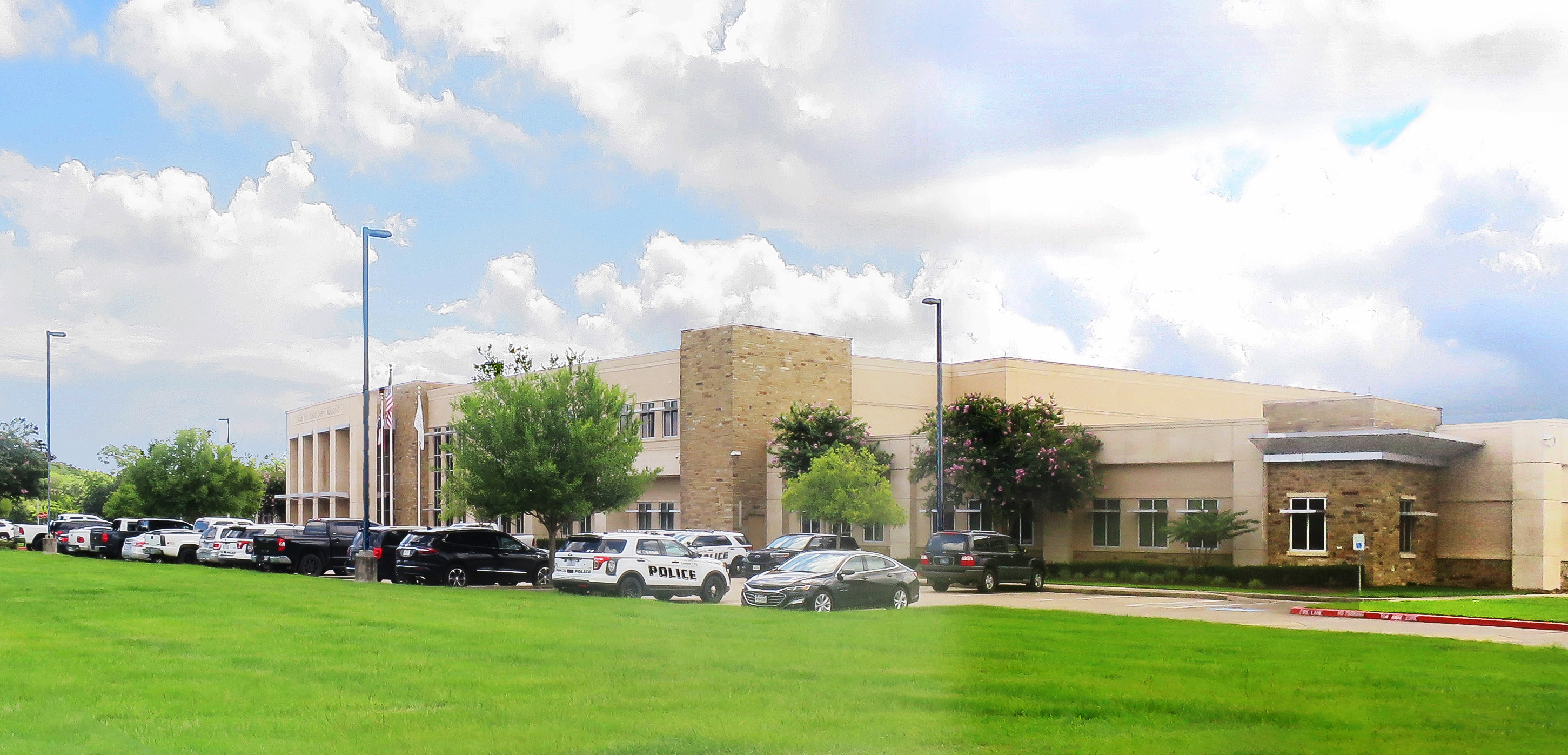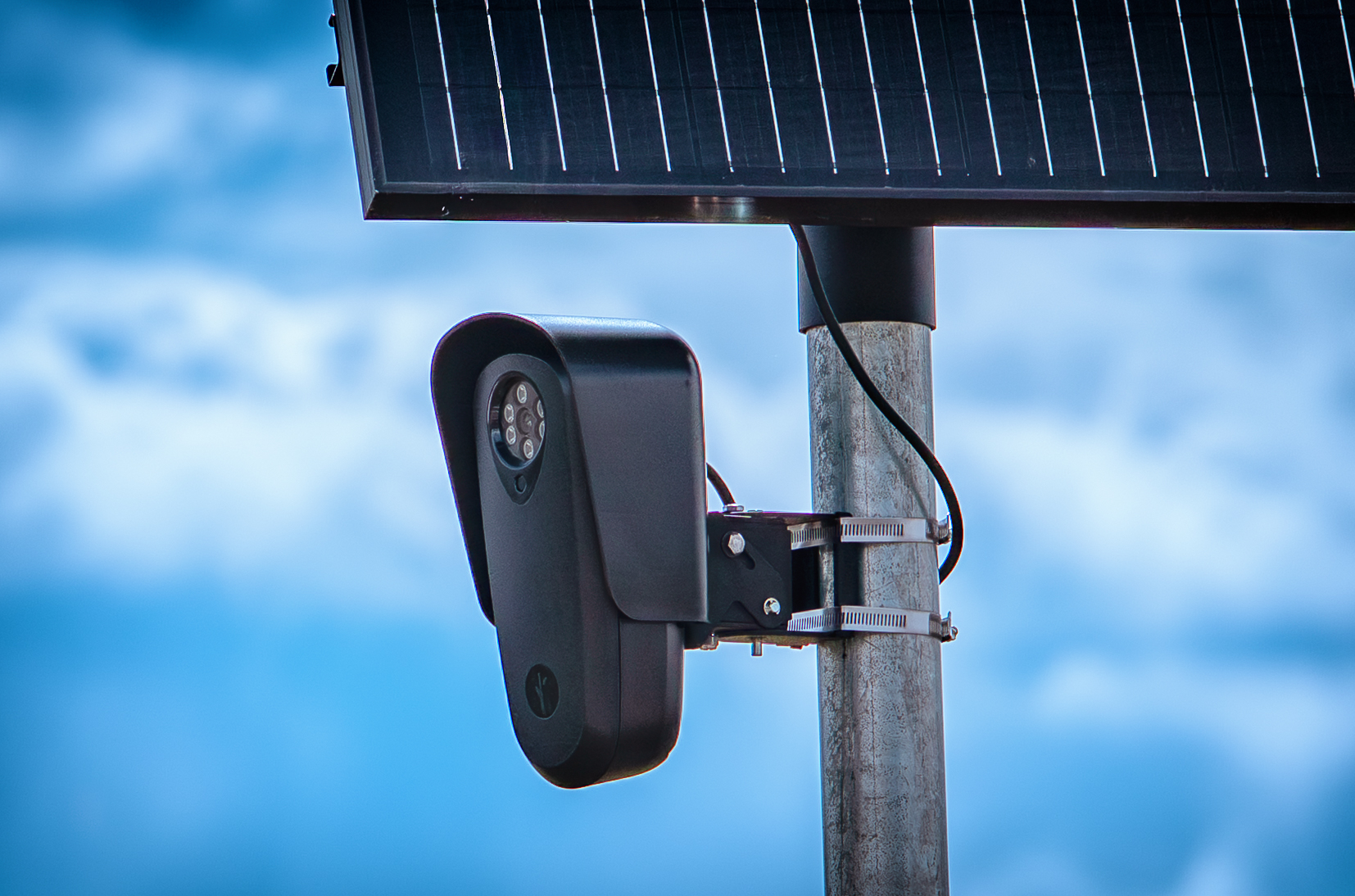
League City voters will decide Nov. 3 whether their police department should keep using Flock Safety license plate reader cameras, in what Mayor Nick Long has called the first such referendum in Texas. The vote is non-binding, meaning City Council retains final authority regardless of the outcome.
But the technology at the center of that ballot question has a Houston-area origin story that offers context for what residents are weighing.
Jersey Village, a city of fewer than 8,000 people northwest of Houston, runs 58 Flock cameras along its streets. That's roughly the same number as League City, a community 15 times its size.
Jersey Village approved Flock cameras in 2018, initially for residential neighborhoods. Around 2020, the city asked Flock to expand the system to major intersections. Flock Safety CEO Garrett Langley told WDIV that request was a turning point.
"About six years ago, a small town in Texas called Jersey Village said 'Well, wait a second. Our neighborhoods have this. Can we buy it for the major intersections of the city?'" Langley said. "And we said, 'Sure, I guess.'"
Nearly 7,000 police departments and tens of thousands of neighborhoods now use Flock nationwide.
Why Jersey Village needed the cameras
Jersey Village Police Chief Danny Keele told KPRC 2 that traffic counts along Jones Road can exceed 140,000 vehicles a day, bringing a transient population far larger than the city's resident count. Keele said the department has not experienced misuse of its Flock system and pointed to policies, officer training and audits as safeguards. The city retains data for 30 days.
The cameras have skeptics. Jersey Village resident William Bludworth told KPRC 2 he acknowledges the crime-solving benefits but worries about expanding surveillance. Vanessa Melton, a Houston resident who regularly visits Jersey Village, told the station she considers the cameras a violation of privacy rights.
What League City voters face
League City began installing Flock cameras in December 2022 and currently operates 55, with 16 more awaiting TxDOT permits. The city approved a five-year, nearly $900,000 agreement covering 70 cameras in December 2023. According to KPRC 2, the cameras aided 305 criminal investigations between July 2025 and July 2026 and helped recover approximately $1 million in stolen property.
League City's Flock data is shared with 436 Texas law enforcement agencies and the FBI. The city says it does not share data with ICE, Border Patrol or private organizations.
City Council voted 6-1 on Aug. 11 to place the proposition on the November ballot. Councilman Chad Tressler cast the lone dissenting vote.
At that meeting, Mayor Long cited misuse incidents in neighboring cities and questioned how Flock secures data on the company side. He proposed creating a citizens accountability committee, requiring case numbers tied to every search and building a public transparency portal if cameras remain.
Misuse concerns drove new safeguards
At least 50 law enforcement officers nationwide have been charged with or accused of misusing license plate reader systems, with Flock cameras involved in 46 cases, according to a Washington Post report. A Pasadena police sergeant surrendered his law enforcement license after allegedly using Flock to stalk a fellow officer. Three Harris County deputies had their access suspended pending review.
Flock responded. On Aug. 13, the company announced it is cutting its recommended default data retention from 30 days to seven days for new customers, mandating its misuse-detection tool for all law enforcement clients and requiring case codes for every search by year's end. Existing customers, including League City, may keep their current retention periods.
Early voting runs Oct. 19–30. Polls open at 7 a.m. on election day, Nov. 3.