League City voters will get their say on Flock license plate reader cameras Nov. 3, but a statewide investigation published Monday, Aug. 24, reveals a problem no one on City Council has publicly addressed: most Flock cameras in the Houston region aren't owned by the governments trying to regulate them.
Municipal utility districts, homeowners associations and retailers buy their own Flock cameras and choose whether to share footage with law enforcement, Houston Public Media reported. Nationally, that ownership patchwork has meant privately owned cameras keep operating even after a city drops its own contract, The Guardian reported. It's unclear how many such cameras exist in League City, or whether the department's voluntary access agreements would survive a council vote to end the program.
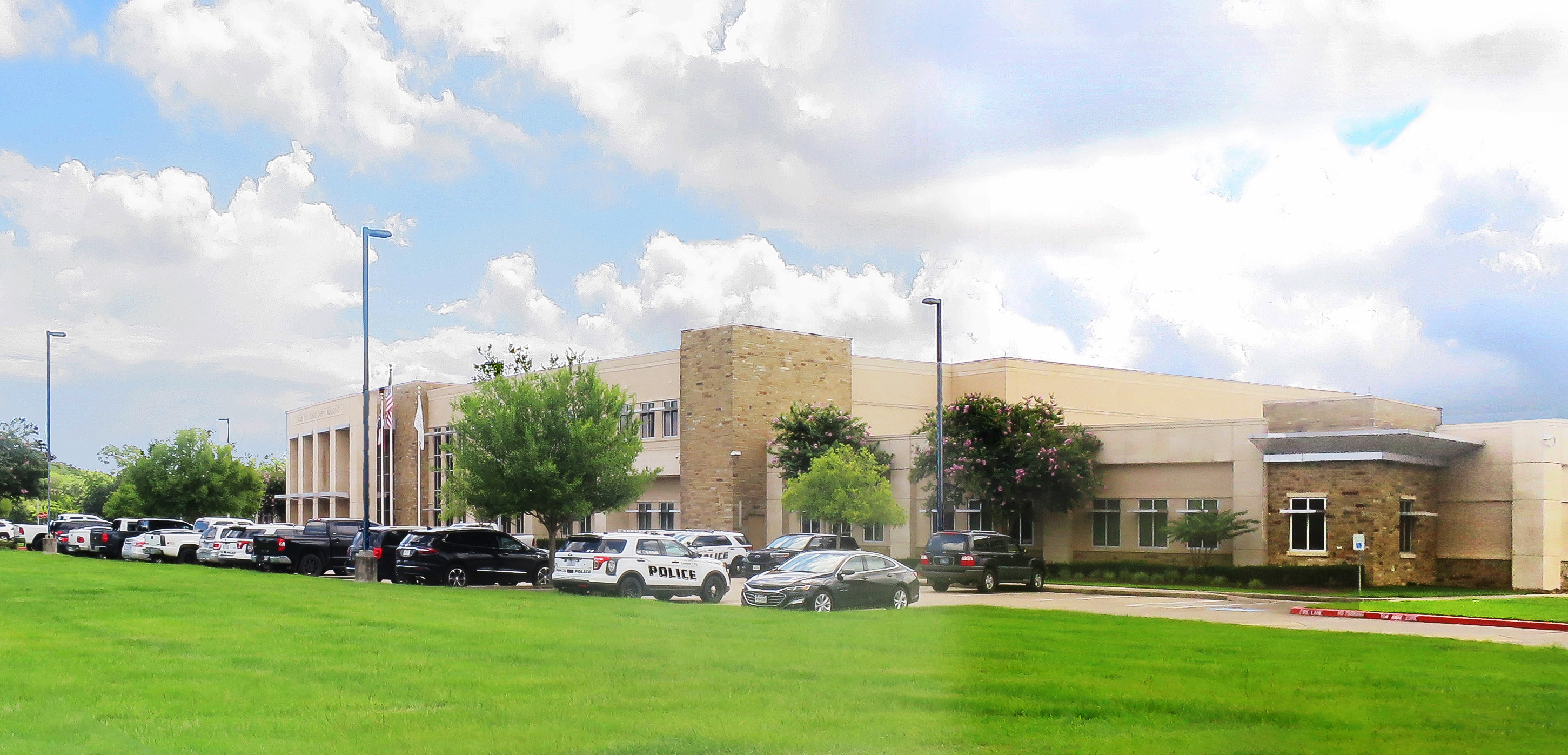
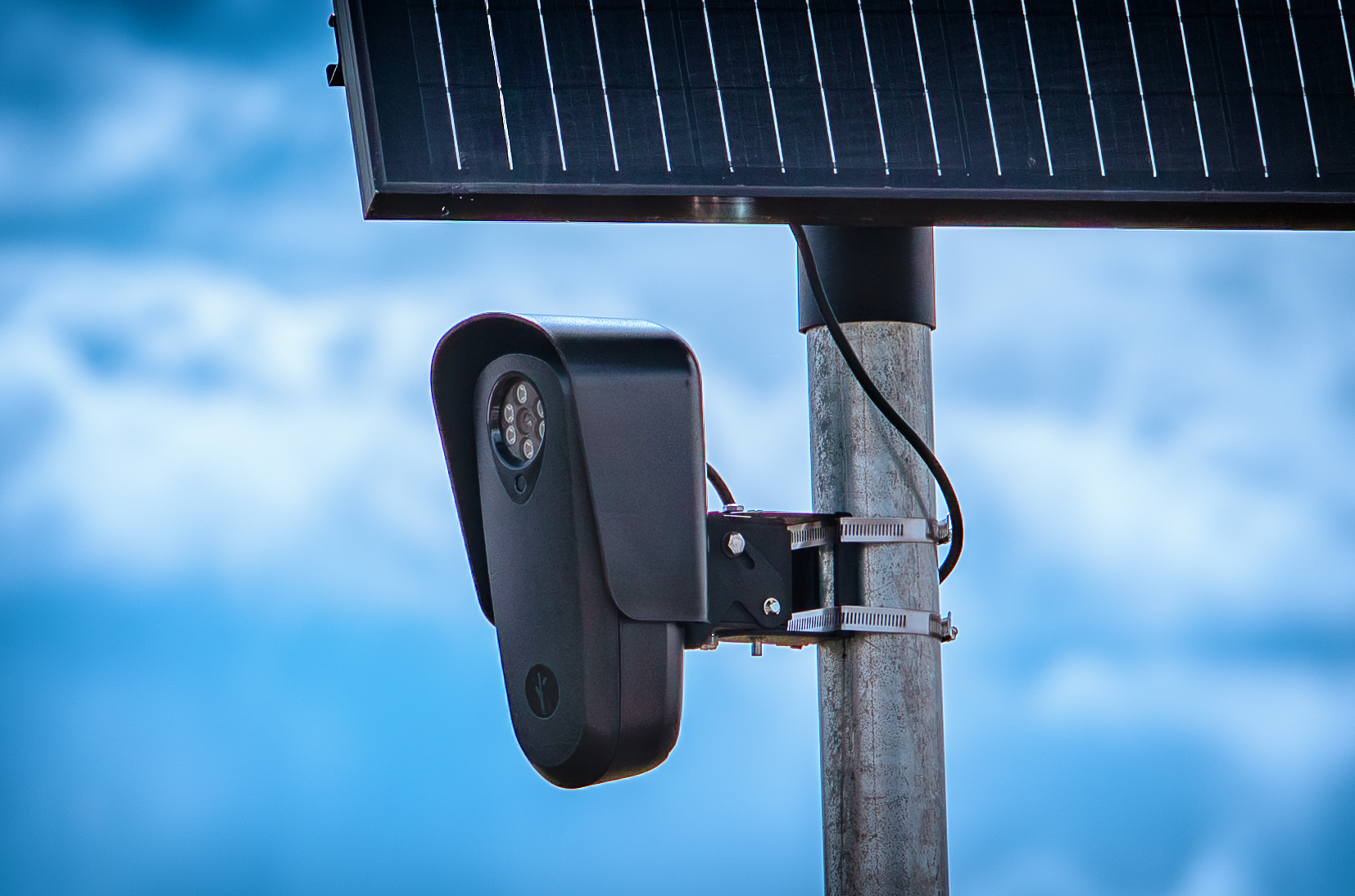
League City police currently operate 55 city-owned Flock cameras, with 16 more awaiting TxDOT permits. But the department also accesses privately owned cameras when businesses, HOAs or other owners grant permission, according to KPRC 2 reporting.
No city official has said publicly how many private Flock cameras operate within League City or what would happen to that voluntary access if voters reject the program.
The ballot question
City Council voted 6-1 on Aug. 11 to place a nonbinding advisory referendum on the Nov. 3 ballot. Councilman Chad Tressler cast the lone dissenting vote. The ballot language asks whether the League City Police Department should "continue using automated license plate reader cameras at fixed locations on public roadways for law enforcement purposes," according to the city's official notice.
The word "nonbinding" is key. Council retains final authority regardless of the outcome.
"The real issue is we've seen the abuses in neighboring cities," Mayor Nick Long told KPRC 2 on Aug. 12. "Where's the data going on the company side, and how can we protect that data?"
Why removal is harder than it sounds
The Harris County Sheriff's Office, which manages 480 Flock cameras across 20 networks, told Houston Public Media that most of those networks are owned by MUDs, neighborhood associations and similar organizations. The sheriff's office serves only as system administrator.
That patchwork of contracts creates a structural barrier. A government can end its own deal with Flock Safety, but it cannot force a MUD or an HOA to do the same. Some cities that officially dropped Flock saw surveillance persist because private owners left cameras running, with some resorting to covering cameras with trash bags after Flock failed to remove them promptly, according to The Guardian.
Flock Safety has also recently tightened its contract terms, making government exits harder and retaining a perpetual right to use customer data after termination, Houston Public Media reported, citing an ACLU Georgia analysis.
What's at stake locally
League City approved a five-year, nearly $900,000 Flock contract in December 2023 covering 70 cameras. Police credit the system with assisting 305 criminal investigations in a recent 12-month period and recovering roughly $1 million in stolen property.
Mayor Long told Houston Public Media on Aug. 10 that if voters reject the cameras, the city will pay off its contract and create a "path to unwind it." He has not publicly addressed what happens to the privately owned cameras that police also access.
League City is the first Texas city to put the Flock question before voters, Long confirmed. The proposition was added to the existing Nov. 3 general election ballot to avoid an estimated $85,000 cost for a standalone special election, since League City is already holding its regular mayoral and council election this cycle.
Regardless of the referendum outcome, council will have to take separate action to keep, modify or end the program.