A Texas state senator is pushing to ban the same license plate reader cameras that League City voters will decide on Nov. 3.
State Sen. Lois Kolkhorst wrote in a Facebook post titled "Get the Flock Out of Texas!" that automated license plate readers, or ALPRs, raise Fourth Amendment concerns. She said Texas senators are discussing an outright ban when the 90th Texas Legislature convenes in January 2027, KBTX first reported.
"I am right there with them," Kolkhorst said of colleagues backing a ban, according to KBTX.
If the Legislature acts, it could override whatever League City voters decide on Proposition A. That nonbinding referendum asks whether the League City Police Department should continue using Flock Safety's ALPR cameras on public roadways, according to Fox 26.
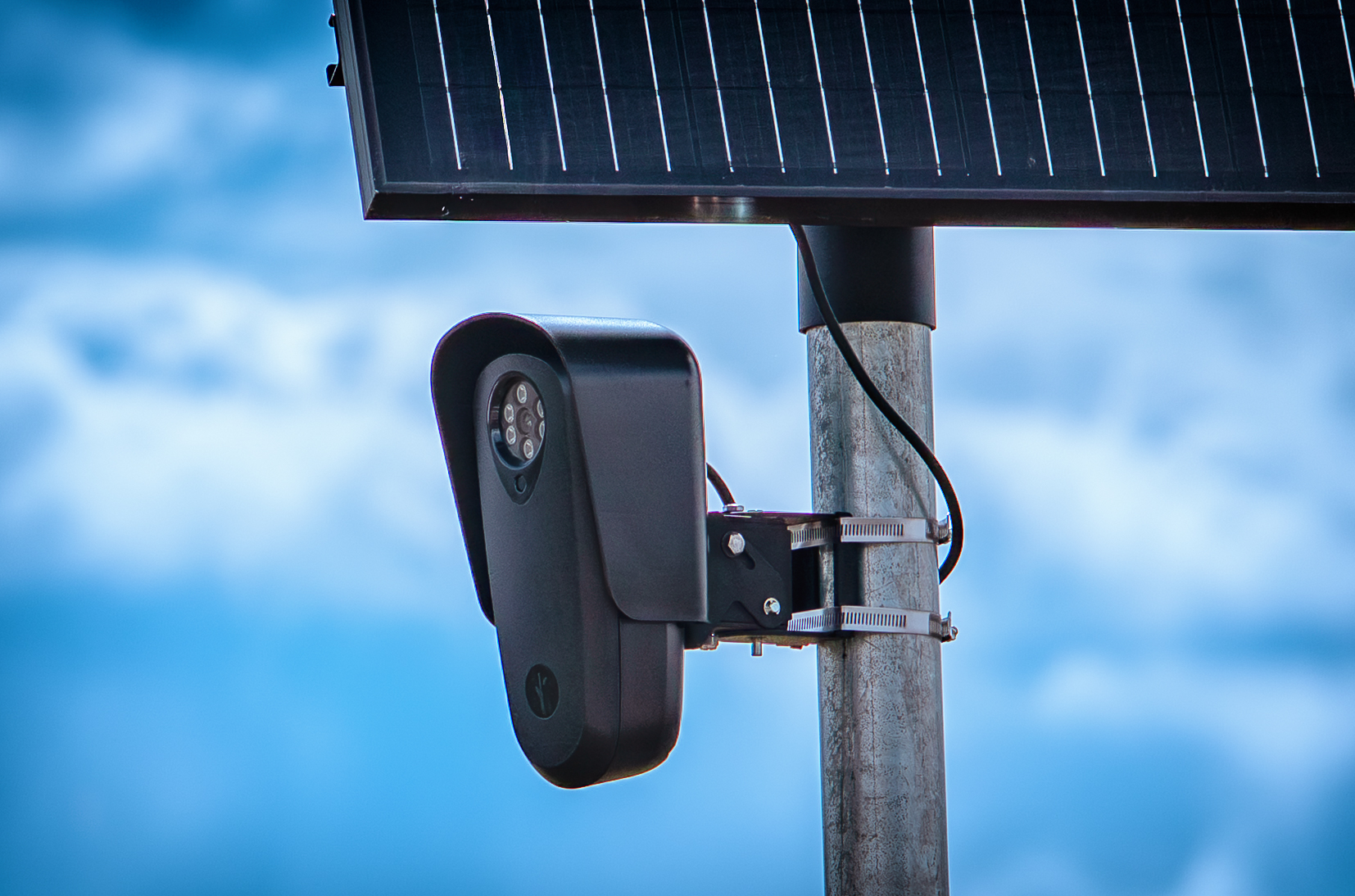
League City has 55 active Flock cameras, with 16 more in the permitting process. The system has aided 305 criminal investigations in the past year and helped officers recover roughly $1 million in stolen property, according to the League City Police Department.
The cameras capture still images of vehicles, license plates, exterior characteristics and timestamps. They do not use facial recognition, identify drivers or passengers, or record audio, according to LCPD.
Kolkhorst argued in her post that Flock's nationwide network of more than 120,000 ALPRs represents "a frightening new web of warrantless mass surveillance," according to KBTX. She raised concerns that ALPR data could be merged with other personal information using artificial intelligence.
No formal bill has been filed.
She is not the only state official to act. Gov. Greg Abbott ordered state agencies to pause funding for Flock cameras in August after the Texas Tribune prepared to publish an investigation into a state agency's $30 million in grants supporting the camera network, KBTX reported.
Law enforcement officials say the cameras solve cases. Andy Kahan, director of victim services and advocacy for Crime Stoppers of Houston, pointed to the Sept. 19 fatal shooting of a five-year-old girl in northwest Harris County. Investigators used ALPR data to identify and arrest a suspect within 24 hours, as KPRC reported.
"It's the best witness you can get," Kahan told KPRC. "It's undisputable evidence that you were in the vicinity when the crime took place."
Harris County Sheriff Ed Gonzalez said in a statement that ALPR technology played an important role in that investigation, helping detectives quickly develop critical information, according to the Houston Chronicle.
In League City, Mayor Nick Long has raised concerns on both sides of the debate. When the council voted in August to place Prop A on the ballot, Long told KGTX7 he worried about data misuse in neighboring cities including Pasadena, Baytown and Fort Bend County. He also said at the Aug. 11 meeting that it would be "very foolish not to listen to the will of the people" on the referendum, even though the result is nonbinding.
Long proposed safeguards if voters choose to keep the cameras, including a citizens accountability committee, case numbers tied to every search and an online transparency portal showing camera locations and access frequency.
LCPD shares Flock data with 436 Texas law enforcement agencies and the FBI. The department says it does not share data with ICE, Border Patrol, other federal agencies, businesses or private organizations. Images are automatically deleted after 30 days unless flagged as evidence.
League City voters will see Prop A on the Nov. 3 ballot alongside the city's general election. City Council retains final authority on the cameras' future regardless of the outcome.