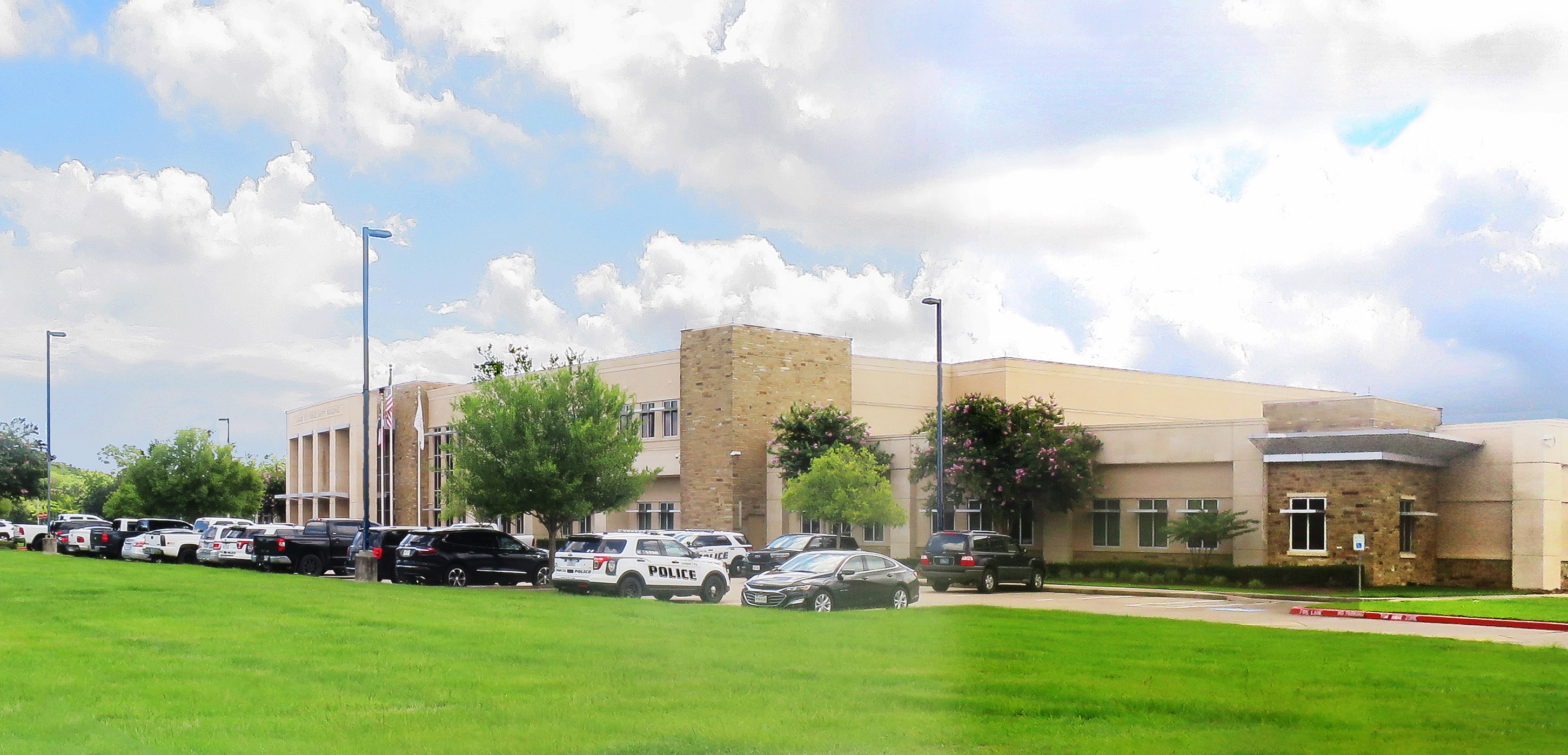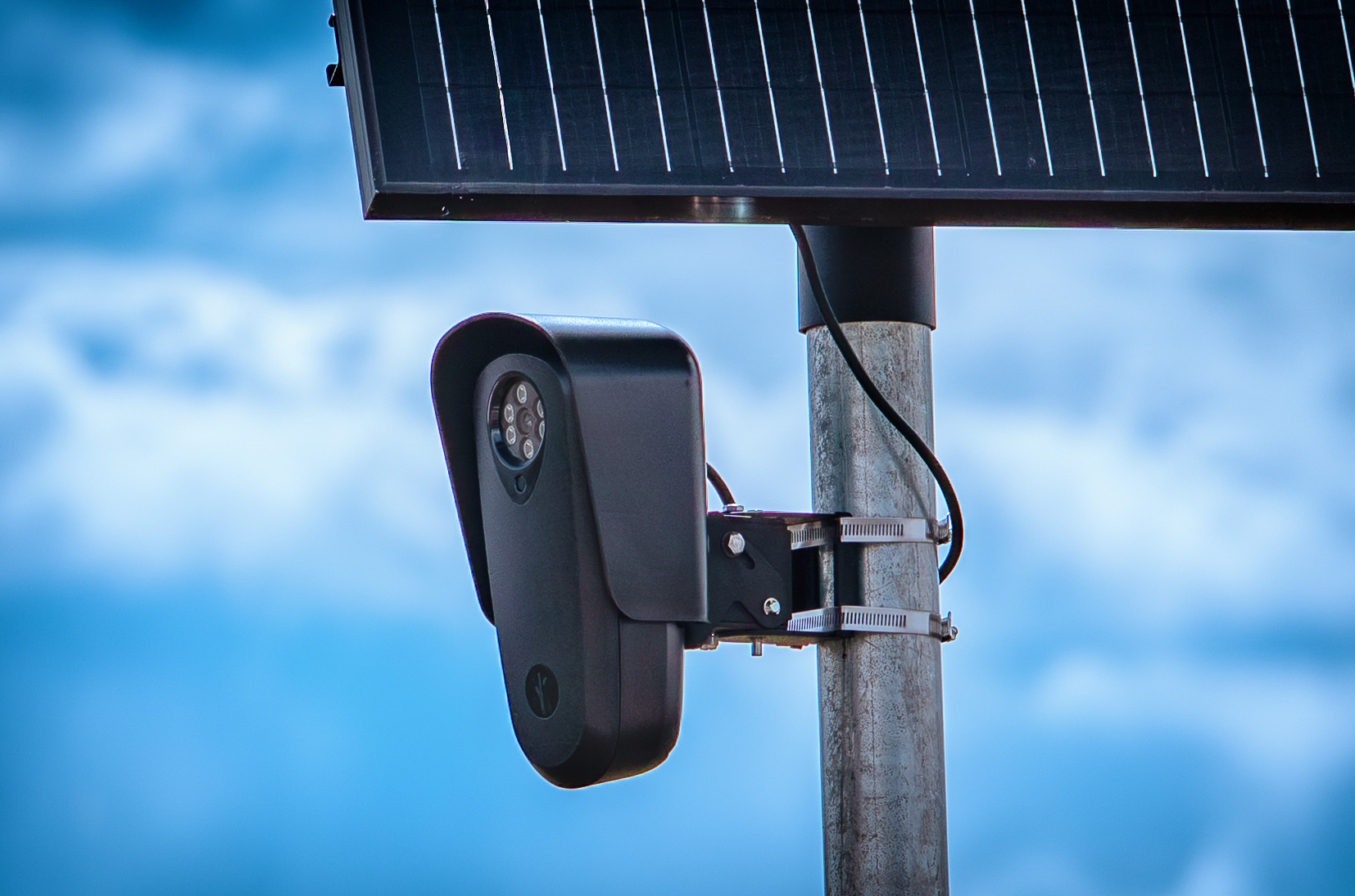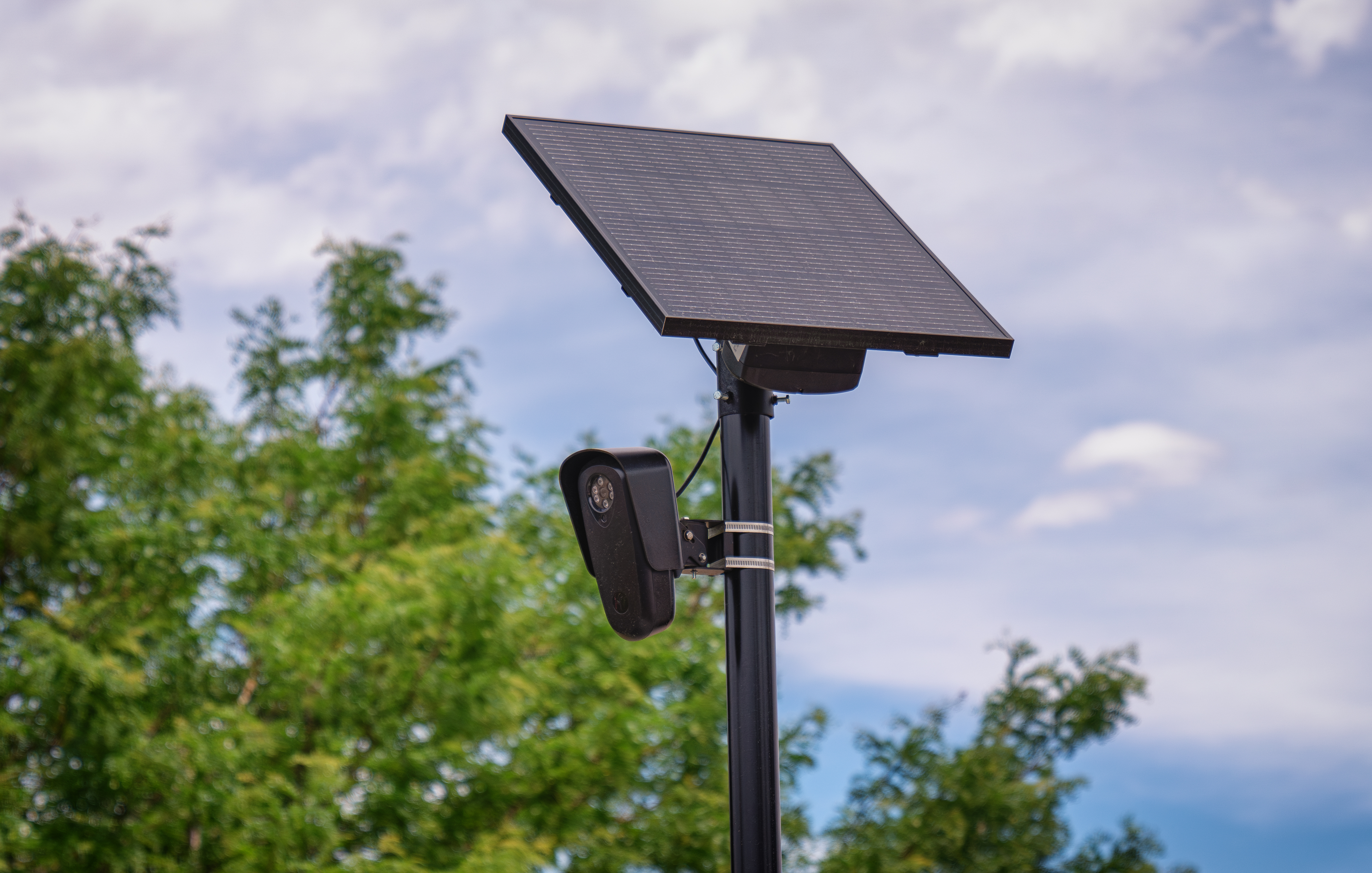
League City voters will weigh in Nov. 3 on whether to keep the city's Flock surveillance cameras. A statewide shakeup over the technology has raised the stakes.
Gov. Greg Abbott on Aug. 27 ordered state agencies to stop spending money on Flock license plate reader cameras. The order came amid Texas Tribune inquiries into a small state agency that had tapped at least $30 million from a fund dedicated to catalytic converter theft to help pay for at least 3,200 Flock cameras for law enforcement agencies across Texas. El Paso announced it will stop using its 150 state-funded cameras. Dallas police said they will shut down 321.
League City's 55 active cameras appear to be funded through the city's own budget, not state grants. Council approved a five-year contract valued at nearly $900,000 for 70 cameras in December 2023. That means Abbott's order does not directly cut off League City's funding. But the broader debate over surveillance, data sharing and privacy now hangs over the nonbinding advisory referendum voters will see on their ballots.
What's on the ballot
League City Council voted Aug. 11 to place the proposition on the Nov. 3 ballot. The ballot language asks: "As a nonbinding statement of voter preference, should the League City Police Department continue using automated license plate reader cameras at fixed locations on public roadways for law enforcement purposes?"
The result will advise council but will not legally require the city to keep or remove the cameras. The city placed the question on the November ballot rather than calling a separate special election, which could have cost approximately $85,000, according to Click2Houston.
Mayor Nick Long, when council approved the referendum in August, said the cameras have proven effective. "There's really no question that they work," Long told Click2Houston at the time. "They have helped in some fairly high-profile crimes, including murders."
Long also pointed to what he called "abuses in neighboring cities," raising questions about where Flock data goes and how it can be protected.
League City police say the system aided 305 criminal investigations over a recent 12-month period and helped recover roughly $1 million in stolen property. The city shares its Flock data with 436 Texas law enforcement agencies and the FBI but says it does not share data with ICE, Border Patrol or private organizations. Vehicle images and location data are retained for 30 days before automatic deletion.
State cameras stay on
Abbott's order stopped new state-funded cameras, but the Texas Department of Public Safety (DPS) said it will continue operating its existing network of at least 940 cameras. Abbott said Sept. 1 that most Flock camera funding comes from the federal government and is used at the city level. "It's going to be up to city officials themselves to unplug the Flock cameras," he said.
The Motor Vehicle Crime Prevention Authority (MVCPA), the state agency at the center of the funding controversy, has not released public guidance on how its grants have been affected. Its next meeting is Oct. 13, three weeks before the election.
No public statement from League City officials addressing Abbott's order or its effect on the local referendum has been identified. Another 16 League City cameras are awaiting permits from the Texas Department of Transportation.