League City voters rejected the continued use of Flock Safety license plate reader cameras on Nov. 3, with 25,021 voting against keeping the devices and 21,412 voting to keep them, according to unofficial results reported by The Galveston County Daily News. That split puts opposition at nearly 54%.
The Texas Tribune reported just under 54% of roughly 46,400 ballots cast on the proposition favored removing the cameras, citing the Galveston County elections site with all precincts reporting. The results remain unofficial until the state completes its canvass and certifies the vote, the Daily News reported.
The stakes are concrete. City Council unanimously approved a resolution Oct. 13 directing staff to disable or remove all 55 city-managed Flock Safety cameras within 72 hours of the vote being certified if a majority votes "no," according to Houston Public Media.
"There's no disagreement that they work," Mayor Nick Long said on election night, according to the Daily News. "However, there's also no disagreement that there's serious privacy concerns."
The ballot language labels the vote "a nonbinding statement of voter preference," according to the city's elections page. Council members retain legal authority over the final policy. But the October resolution adds teeth: a "no" vote would also trigger contract termination with Flock Safety and removal notices for cameras operated by homeowners associations in city rights-of-way, KGTX 7 reported.
The Daily News reported the resolution also directs City Manager John Baumgartner to review the city's agreements with Flock Safety and pursue changes necessary to carry out the removal.
If voters had approved keeping the cameras, a new citizen-led oversight committee would have continued reviewing audits of the system. Instead, the committee will oversee one final audit and submit its findings to council before dissolving, the Daily News reported.
City outlines next steps
In an official statement, the City of League City said it will follow a resolution approved by City Council at its Oct. 27 meeting outlining steps to take after a majority of voters voted "no" on Proposition A.
The resolution calls for camera removal within 72 hours of the official canvassing of election results at the council's Nov. 17 meeting, according to the city statement. Mayor Long has asked city staff to immediately cover or bag the city's automated license plate reader (ALPR) cameras at fixed locations along public roadways, the statement said.
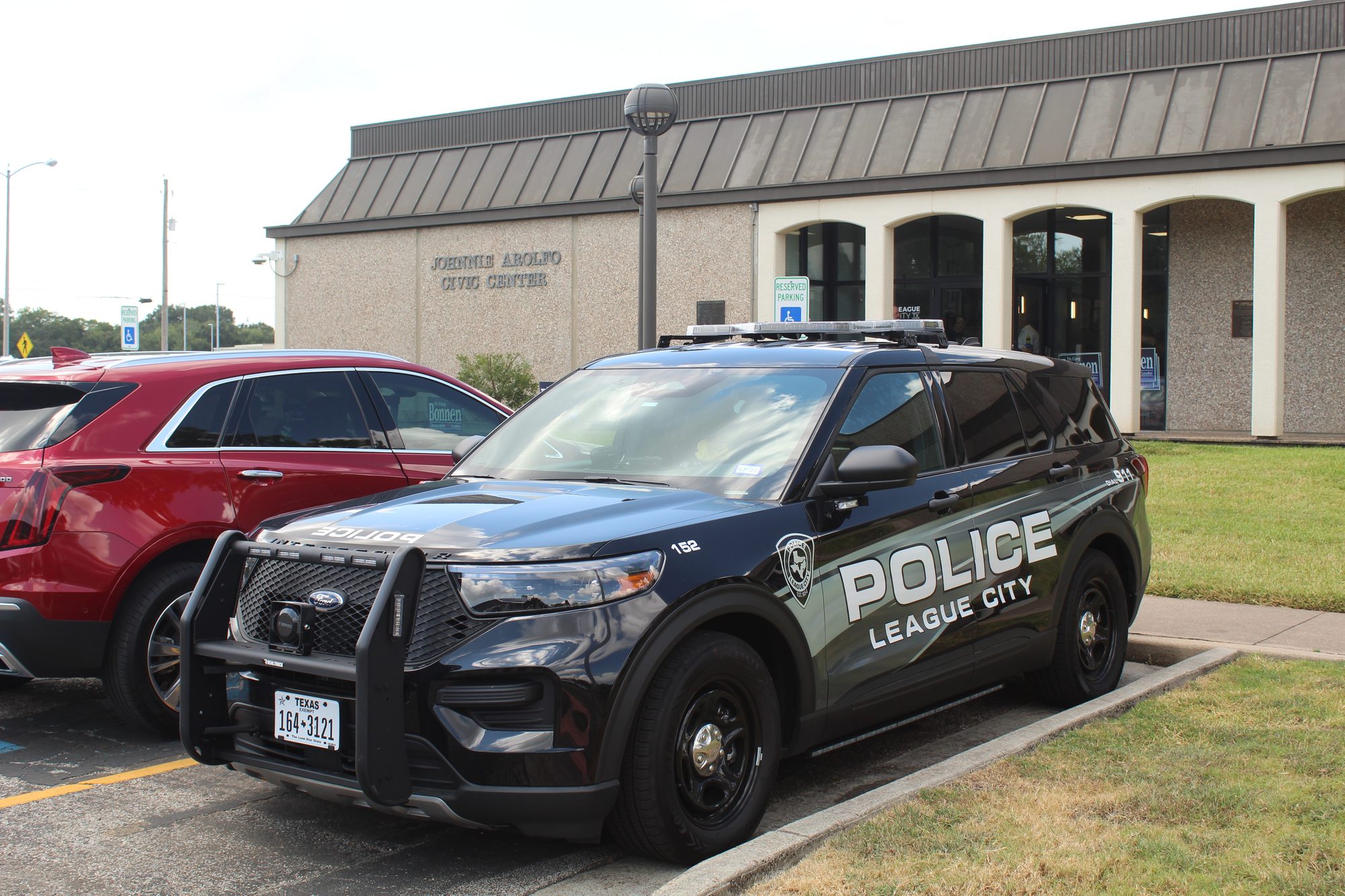
Once the cameras are covered, the League City Police Department (LCPD) will no longer collect data or share information with outside agencies, according to the statement. Any data previously collected is automatically purged from the LCPD system after 30 days unless retained as evidence for an active case. Data previously shared with outside agencies is also retained for 30 days unless preserved as evidence in an existing case.
The city manager is directed to review the city's agreements with Flock Safety and pursue amendments, partial termination, nonrenewal or other adjustments to carry out the camera-removal requirements, the statement said. Any termination agreement or expenditure requiring council approval will be submitted for consideration.
The city manager must also identify funds available for reallocation after accounting for remaining contractual obligations, according to the statement. Staff will develop recommendations to redirect those funds to alternative public safety measures.
The resolution also directs the city manager to identify ALPR cameras installed or operated by homeowners associations within city rights-of-way and notify those associations that the cameras must be removed, the city said. Staff will set removal deadlines as soon as legally and logistically feasible.
How the debate got here
Council voted 6-1 on Aug. 11 to place the proposition on the ballot after dozens of residents spoke for and against the cameras, Community Impact reported. The Houston Chronicle reported League City was the first Texas city to put Flock cameras on a November ballot. The Texas Tribune reported it was the first such referendum in Texas allowing voters to decide whether the devices can be used by law enforcement.
Privacy concerns drove the debate. Residents across Harris and Galveston counties have raised alarms about the technology, particularly after a Pasadena police sergeant resigned after allegedly using Flock cameras to stalk a fellow officer, according to Houston Public Media.
The city manages 55 Flock cameras. Police also access 23 cameras run by homeowners associations and six by private businesses, for a total of 84 within the department's jurisdiction, according to a written police department response published by FOX 26. The department's annual Flock contract is $175,000, according to that written response.
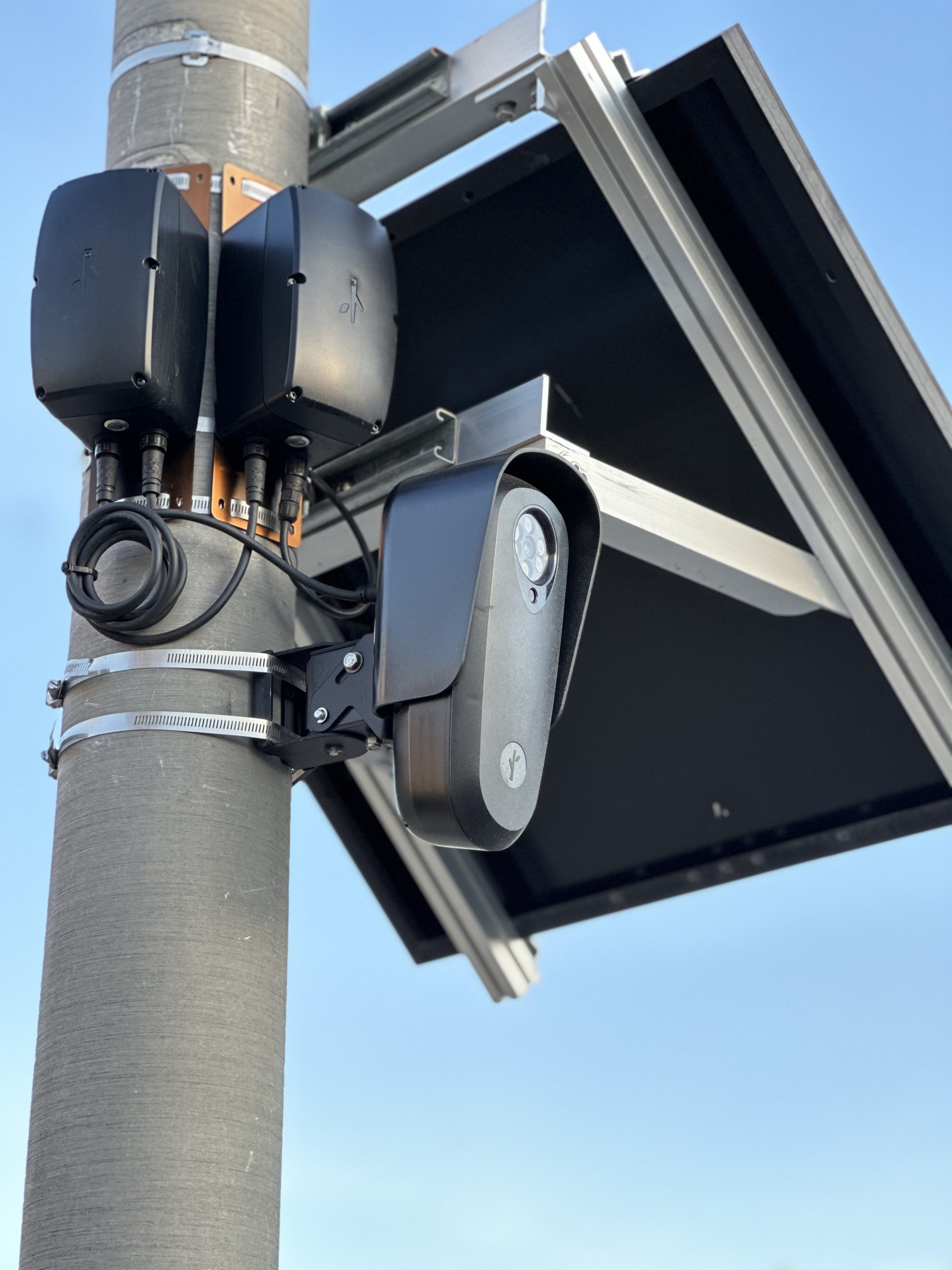
The cameras capture still images of vehicles and license plates. They do not record audio or video or use facial recognition, according to the police department. Vehicle metadata is deleted after 30 days unless preserved as evidence.
The 72-hour removal clock starts after the official canvass at the council's Nov. 17 meeting, according to the city's statement.