PFAS, the synthetic "forever chemicals" that resist breakdown in the environment, have turned up in Houston-area bayous, Houston Public Media reported Oct. 22.
The finding draws on a national report by Environment Texas and The Frontier Group that analyzed federal, state and nonprofit water-quality data collected between 2022 and 2024. Reporter Michael Hagerty covered the report on Houston Public Media's "Houston Matters" program, noting the chemicals appeared in Houston's bayous "along with a lot of other waterways."
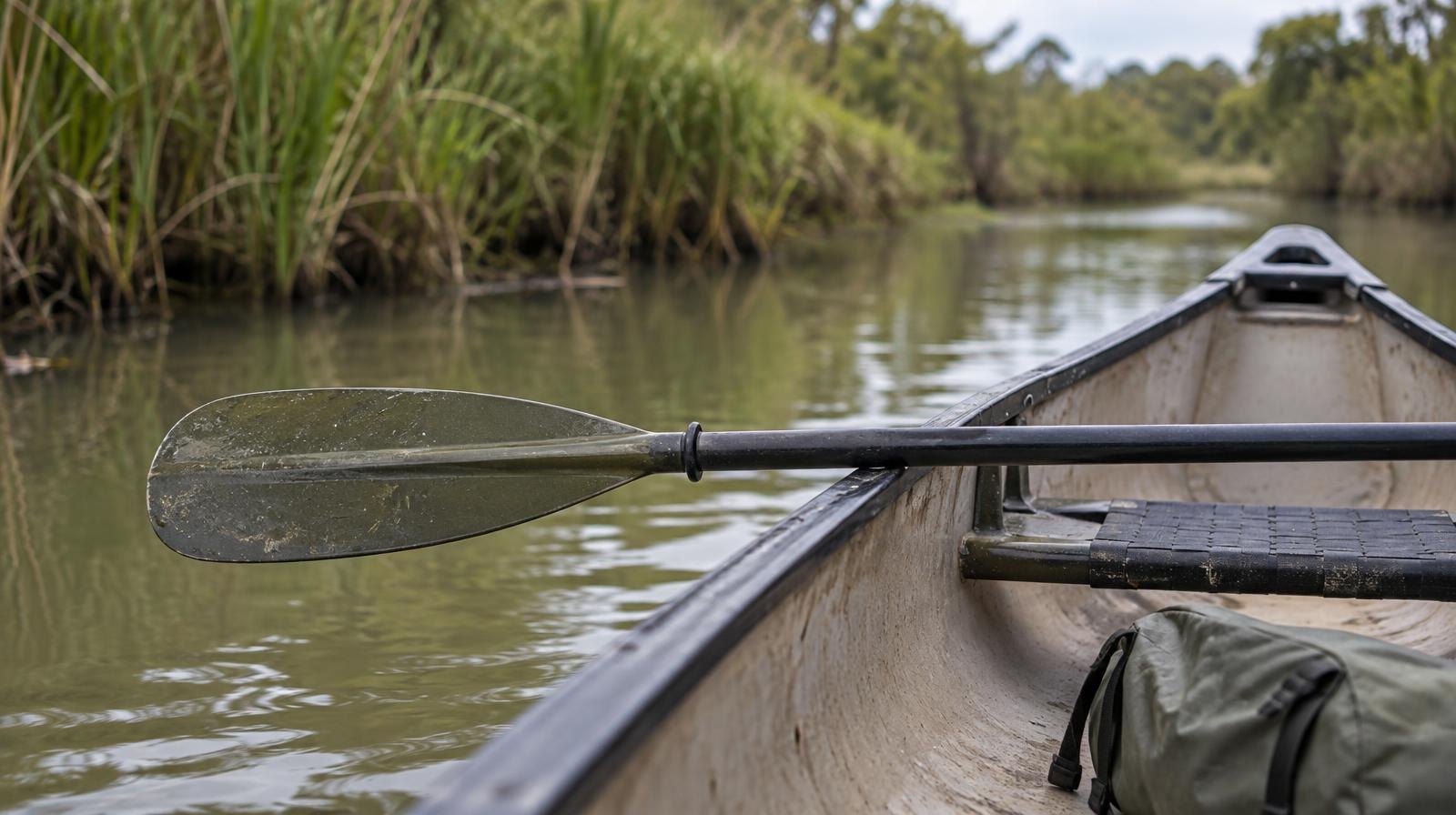
The news raises questions for League City, where Clear Creek runs along the city's northern border and supports fishing, kayaking and paddling at parks including Lynn Gripon Park at Countryside, Heritage Park and Walter Hall Park. The city is developing a Clear Creek Master Plan to expand recreational use of the waterway, and the Clear Creek Paddle Trail already offers kayak and canoe launches at multiple parks.
Whether Clear Creek itself was among the monitored locations is not clear from the report's published findings. The report does not name specific Houston-area testing sites or concentration levels in its publicly available summary.
The national numbers are striking. PFAS were detected at least once at 1,329 of 1,602 monitored surface-water locations across the country. That is an 83% detection rate. Researchers identified 114 different PFAS compounds among the 174 tested.
Per- and polyfluoroalkyl substances, known as PFAS, break down very slowly and can accumulate in the environment and the human body. Long-term exposure to certain PFAS has been associated with an increased risk of some cancers, immune system suppression, reproductive and developmental effects, and other health outcomes, according to the report.
The chemicals reach waterways through multiple pathways, the report said. Industrial facilities can discharge PFAS directly. Wastewater treatment plants release them in effluent. Sewage sludge applied as fertilizer on farmland can send PFAS into nearby waters. Firefighting foam used at military bases and airports is another documented source.
Monitoring remains limited. The report's authors said the findings "likely represent only a portion of existing contamination."
Environment Texas recommended phasing out PFAS where safer alternatives exist, requiring industrial facilities to stop releasing the chemicals into waterways, ending the use of PFAS-contaminated sewage sludge on farmland and expanding surface-water monitoring. The full report includes an interactive map where residents can check monitoring locations near them.