A coalition of Texas civil rights groups plans to push the 2027 Legislature to restrict automated license plate reader cameras. The announcement lands seven weeks before League City voters weigh in on the city's own Flock Safety network Nov. 3.
The Texas Civil Rights Project, along with Local Progress and the Austin Democratic Socialists of America, formed the No ALPRs Coalition after Austin's city council voted in June 2025 to end its Flock contract. The coalition is now organizing for the 2027 legislative session, Houston Public Media reported Wednesday, Sept. 16.
Chris Harris, associate advocacy director for the Texas Civil Rights Project, said the groups view the cameras as a fundamental privacy threat. "We see Flock cameras and automated license plate readers … as something that ultimately is incompatible with our privacy as people in the community," Harris told Houston Public Media.
No specific bill language or legislative sponsor has been announced. Flock Safety has spent more than $2 million on federal and state lobbying since 2025, according to Open Secrets.
What it means for League City
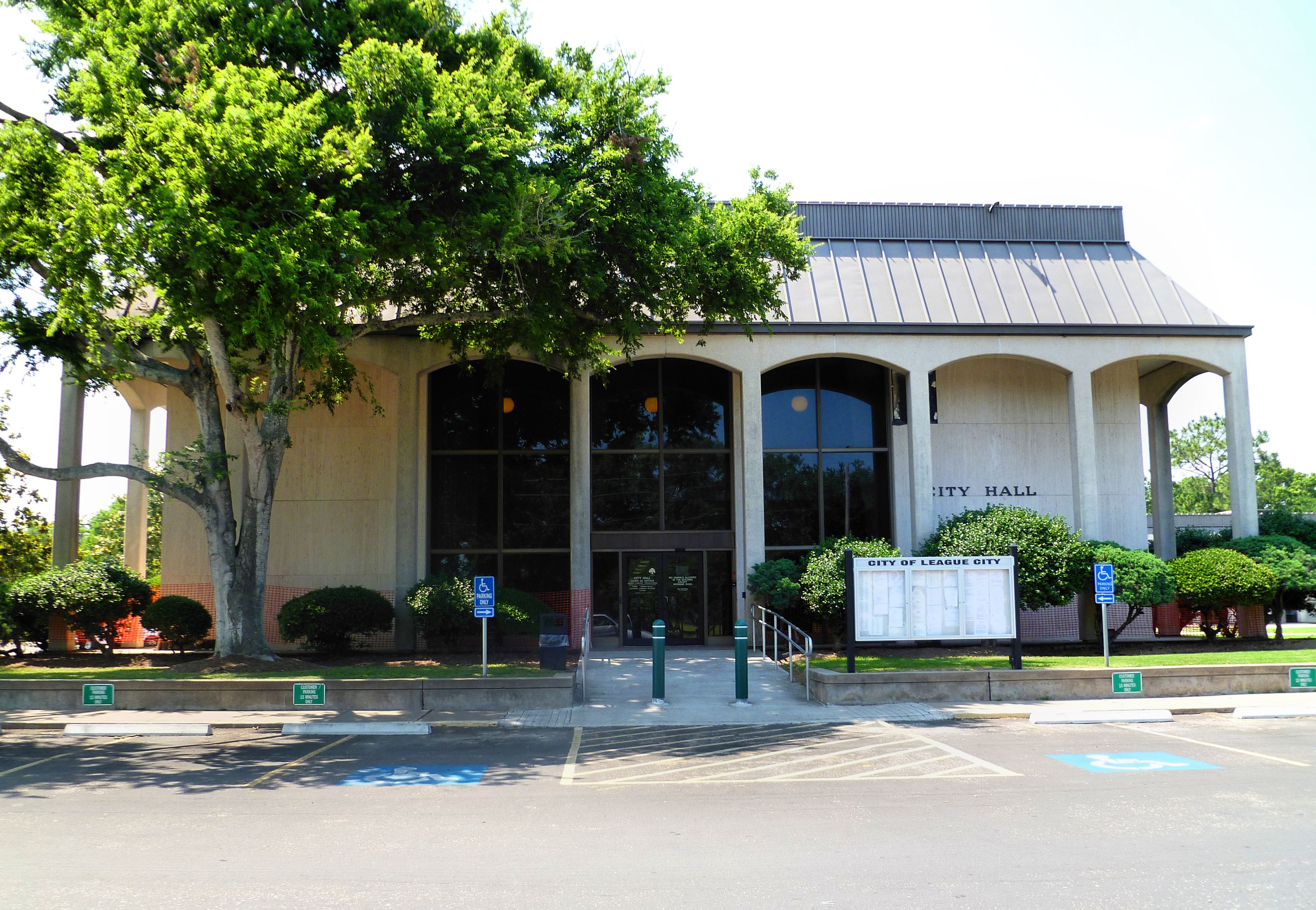
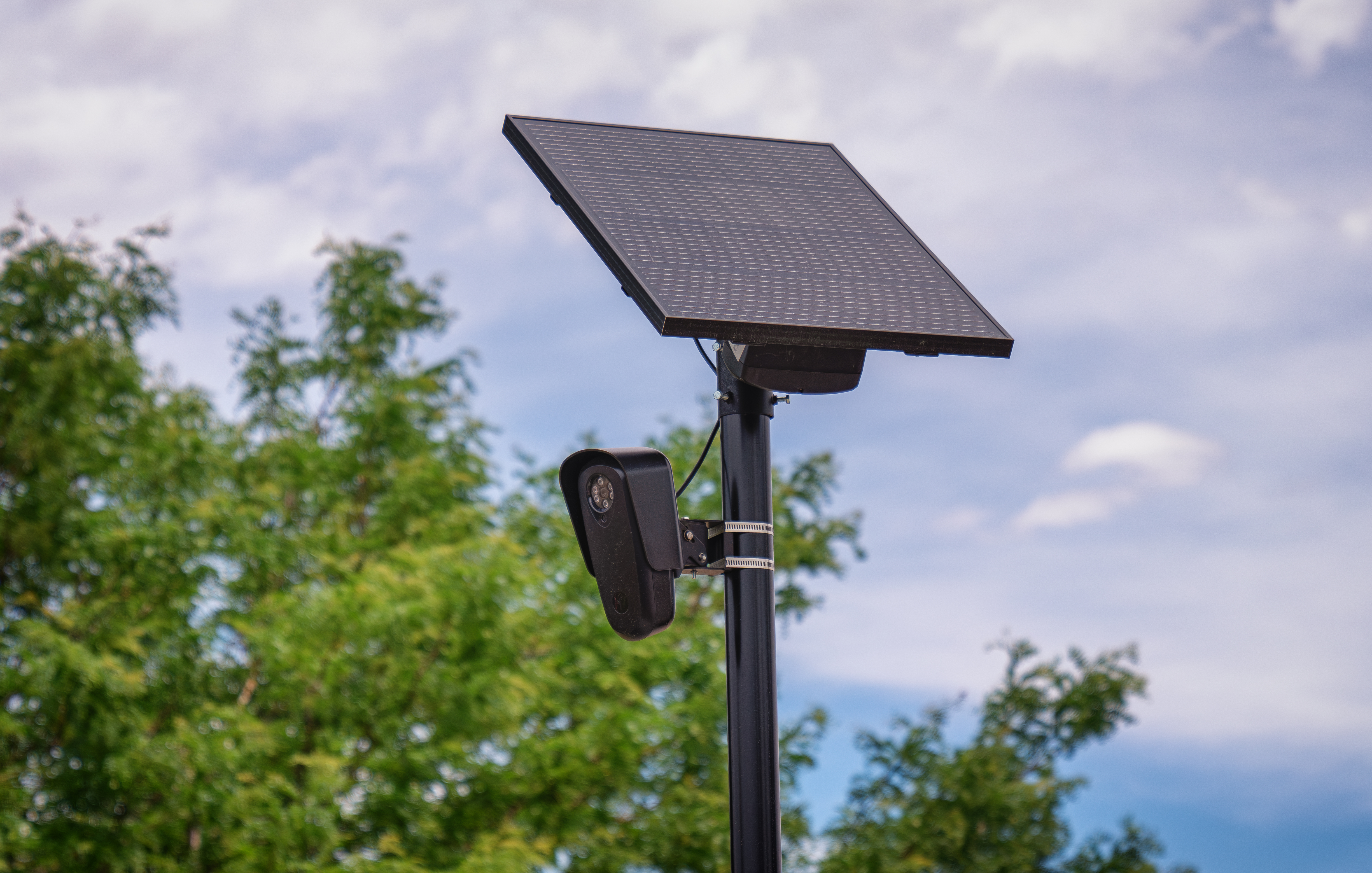
League City has 55 active Flock cameras, with another 16 awaiting Texas Department of Transportation permits. The city council voted 6-1 on Aug. 11 to place a non-binding referendum on the Nov. 3 ballot.
Proposition A asks whether the League City Police Department should continue using the cameras on public roadways. Council member Chad Tressler cast the lone opposing vote.
The vote is advisory. Council retains final authority.
League City police have cited the cameras in 305 criminal investigations and say the system helped recover roughly $1 million in stolen property, according to KPRC. The city's Flock data is shared with 436 Texas law enforcement agencies and the FBI, though the city says it does not share data with ICE, Border Patrol or private organizations, KPRC reported.
Mayor Nick Long told Houston Public Media on Aug. 10 that he sees the referendum as a way for residents to settle the question, saying if citizens do not trust the cameras can be used safely, "then they need to come down." Long said on social media Aug. 12 that if voters approve keeping the cameras, he would create a Citizen Accountability Commission to audit data access.
Statewide momentum
The coalition's legislative push comes after a wave of Flock cancellations across Texas. The Houston Chronicle's tracking map shows two dozen Texas cities and counties have taken steps to remove the cameras or end Flock contracts.
Manvel's city council voted 6-0 on Sept. 8 to end its contract and ordered all 16 cameras covered within 24 to 48 hours. Nearby Kemah directed staff on Sept. 2 to investigate its own Flock program after Gov. Greg Abbott ordered state agencies on Aug. 27 to pause Flock funding. The Texas Tribune reported that a state agency had devoted at least $30 million to building the state's Flock network.
A USA Today investigation found at least 19 law enforcement employees were arrested, fired or placed under investigation for potentially improper use of Flock cameras. The Houston Police Department launched its own probe in response.
In Pflugerville, Mayor Doug Weiss said a public records request revealed 459 agencies nationwide had access to the city's Flock data, far exceeding the 83 approved vendors on file. That discovery led to the contract's cancellation.
Flock Safety CEO Garrett Langley announced in August that the company would shorten its data retention period from 30 days to seven days. The company also plans to require law enforcement searches to include case codes by the end of 2026. A Flock representative told Spectrum News in August that the company "supports legislation that creates guardrails for how license plate recognition data is used and shared."
League City's Proposition A appears on the same Nov. 3 ballot as the city's general election for mayor and council seats.