Two people died and more than one in four hospitalized patients landed in intensive care after contracting murine typhus in the Galveston area, according to a UTMB study released Friday, July 31.
The flea-borne illness, caused by the bacterium Rickettsia typhi, is resurging across southeastern Texas. UTMB researchers reviewed 149 adult cases treated at the Galveston hospital between 2019 and 2023 and found that nearly 80% of patients required hospitalization. Of those hospitalized, 28% became critically ill, suffering complications including shock, acute kidney injury, and respiratory failure. Some needed mechanical ventilation or dialysis.
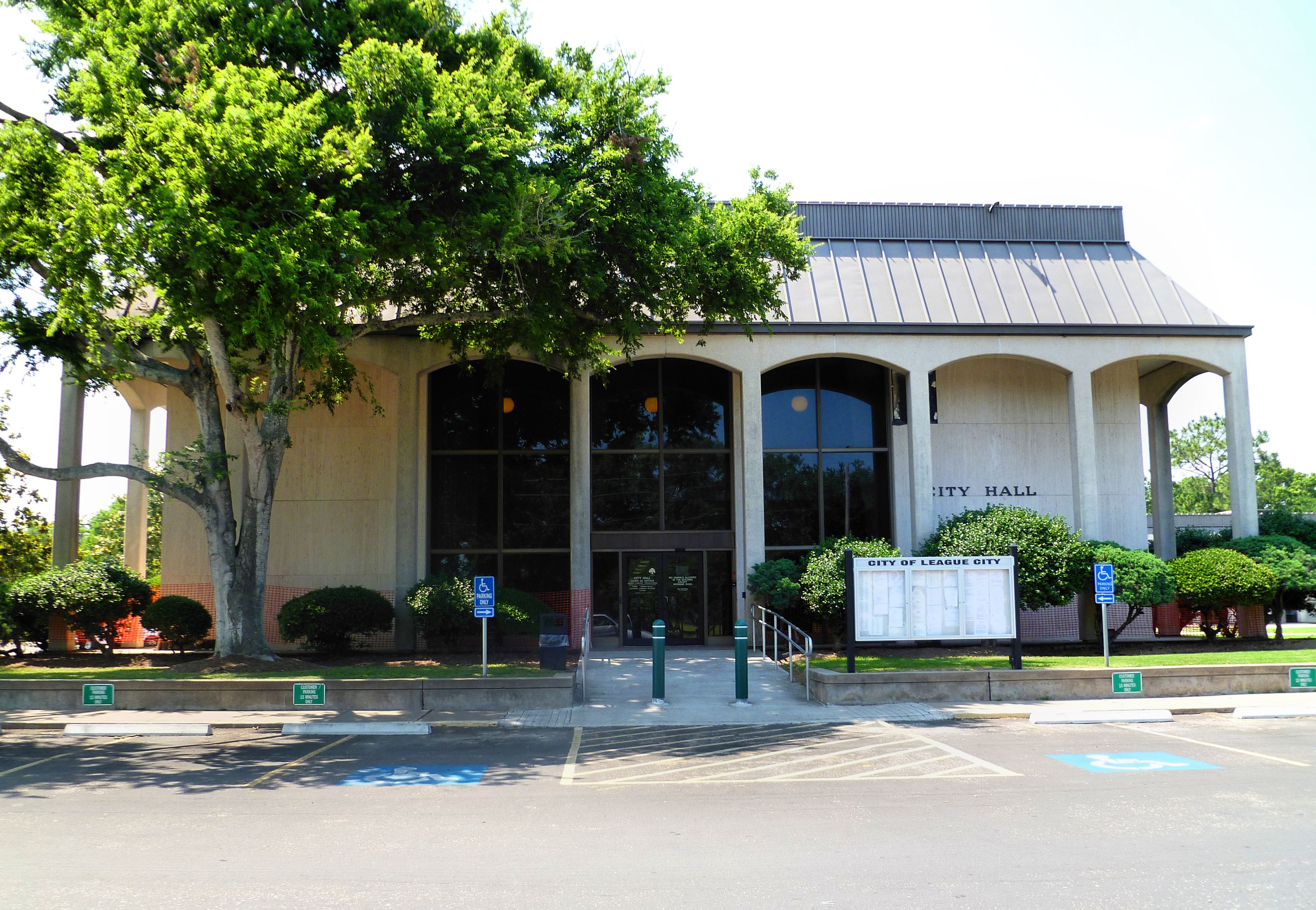
The cases were treated at UTMB, the primary hospital serving League City and much of Galveston County.
"Murine typhus has long been viewed as a relatively mild illness, but our findings show that's not always the case," said Alexander Duarte, vice chair for faculty development in UTMB's Division of Pulmonary Critical Care & Sleep Medicine. "Recognizing it early can make a tremendous difference in preventing serious complications."
The study, published in a CDC journal, Emerging Infectious Diseases, found that older adults and patients with lower platelet counts at their first medical visit faced the greatest risk of severe disease.
Why it matters locally
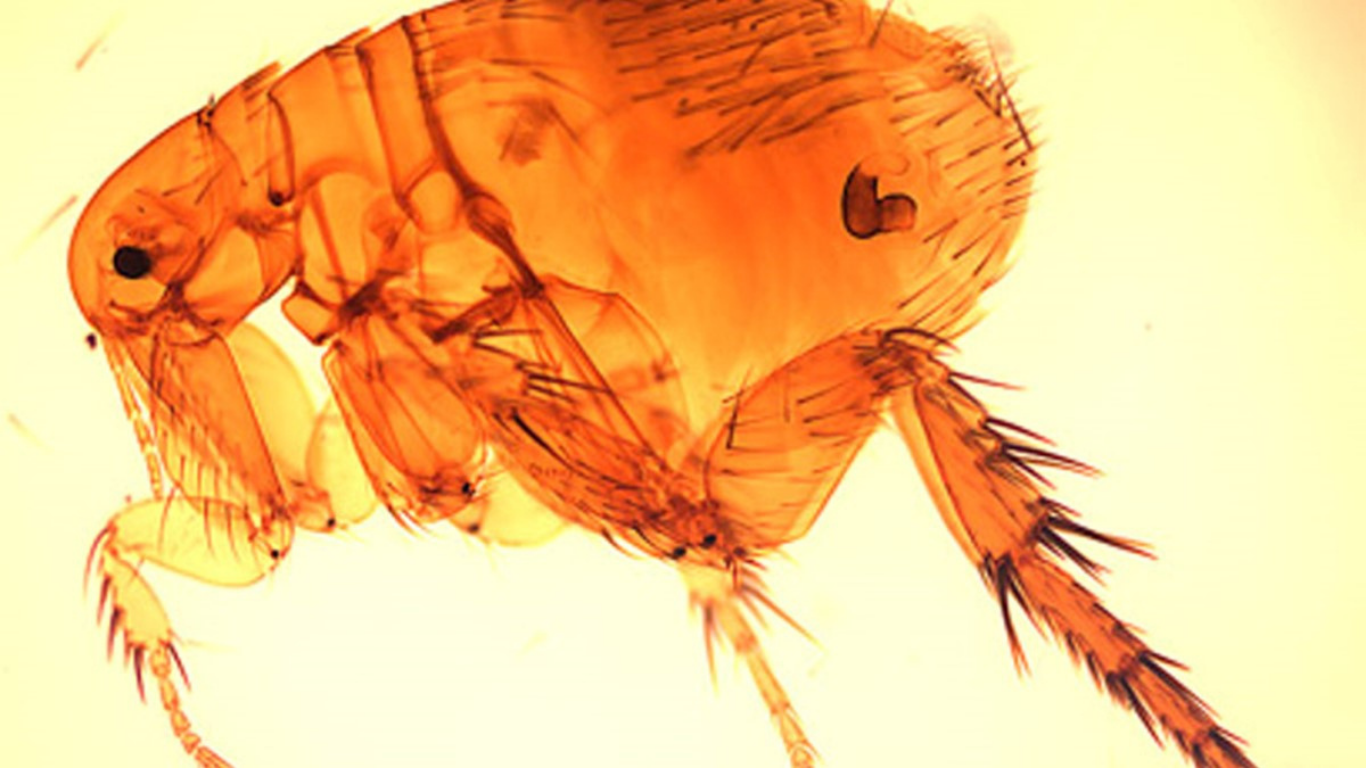
Murine typhus was once linked only to rats. Most Texas cases are now associated with both rats and opossums, animals well adapted to suburban yards and alleys across League City and Galveston County. Infected fleas on those animals transmit the bacteria through bites, broken skin, or mucous membranes near the eyes. The disease does not spread person to person.
Texas leads the nation in murine typhus cases. The Texas Department of State Health Services reports more than 8,600 cases statewide between 2008 and 2025, with a provisional record of 1,110 cases in 2025 alone. Seventeen deaths have been attributed to the disease over that period. Cases have expanded beyond traditional hotspots in the Rio Grande Valley into the Greater Houston area and other metro regions.
Symptoms mimic the flu
Fever, headache, muscle aches, fatigue, and nausea are the hallmarks, and they overlap with dozens of common viral infections. Lab confirmation can take days.
Lucas Blanton, an associate professor of infectious disease at UTMB and study co-author, said physicians in endemic areas should start the antibiotic doxycycline as soon as murine typhus is clinically suspected rather than waiting for test results. Houston Public Media reported July 23 that Tony Malone, chief clinical veterinarian at the Houston Humane Society, stressed the animal-side link: "If we're not managing it in the animal population, then it becomes a public health issue for humans."
What residents can do
UTMB researchers recommend:
- Use veterinarian-recommended flea control on all pets, including indoor-outdoor cats.
- Avoid contact with stray or wild animals.
- Secure trash cans and remove outdoor food sources that attract opossums and rodents.
- Wear insect repellent when spending time outdoors in areas where fleas are common.
Anyone who develops fever and body aches after possible flea exposure should seek medical attention and ask about doxycycline treatment.