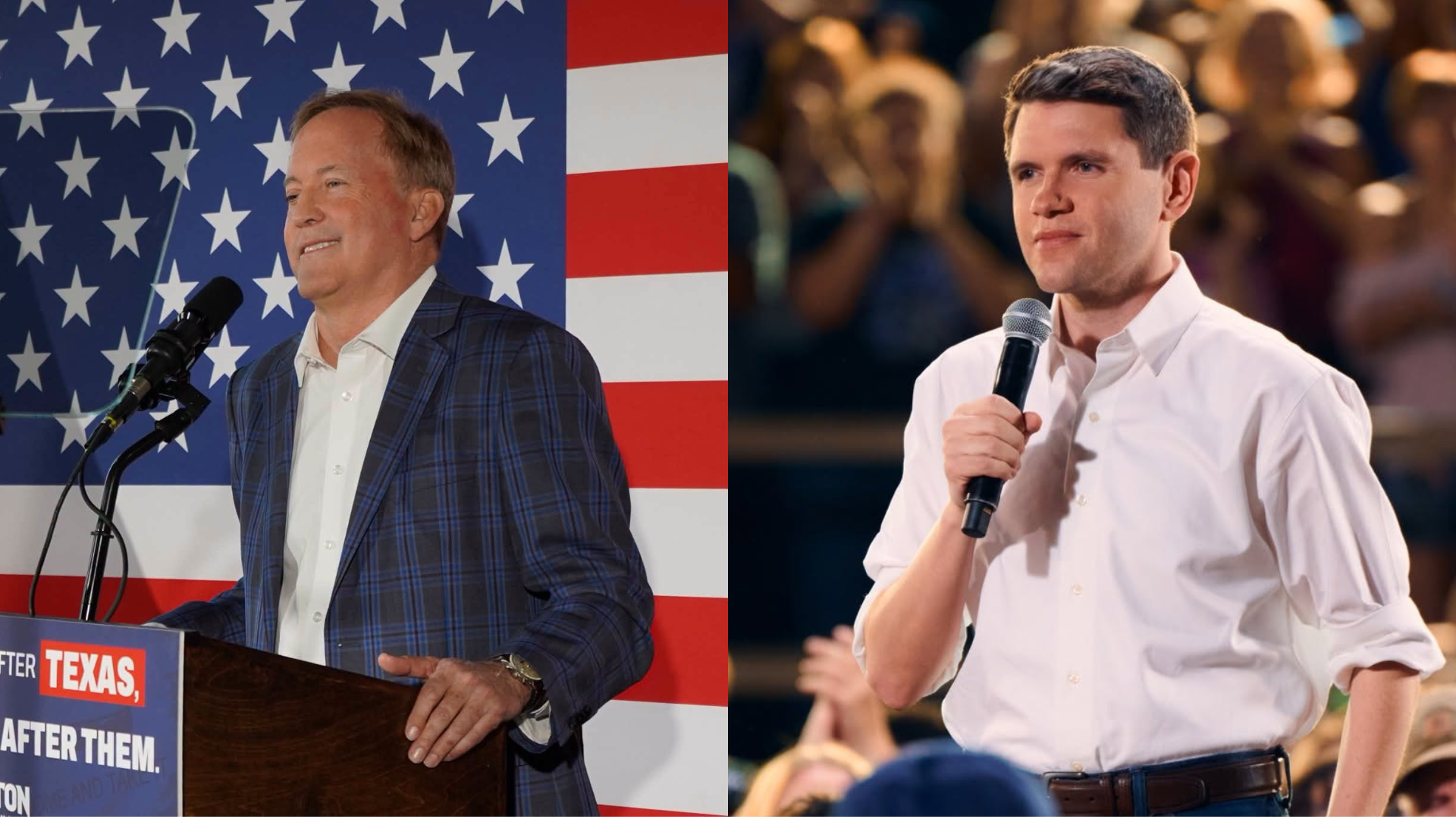
Texas Comptroller Don Huffines wants to add $1 billion to the state's school voucher program. His leading challenger wants to pump the brakes.
Huffines has asked state lawmakers to add another $1 billion to the Texas Education Freedom Accounts (TEFA) program during the 2028-29 biennium, Houston Public Media reported Oct. 29. That would more than double the program's current $1 billion budget, and the fund would keep growing as more families signed on.
Democratic state Sen. Sarah Eckhardt of Austin, his leading opponent, told Houston Public Media she wants results assessed before any expansion. "You don't haul off and double the funding right out of the gate," Eckhardt said, according to the report.
Demand already exceeded the cap
Texas counted more than 274,000 requests for TEFA money to fund private or home schooling, Houston Public Media reported. More than 100,000 students received funding before the program hit its billion-dollar cap. A comptroller's office fact sheet showed 118,441 students had been awarded funds as of Aug. 10.
Huffines, a former Dallas-area state senator appointed by Gov. Greg Abbott, called himself "a champion" of the program in an April interview with the Texas Tribune, according to Houston Public Media.
Houston Public Media reported that 70% of TEFA recipients already had their children in private or home schools before receiving voucher funds. Jim Hamill, with Southern Methodist University's Cox School of Business, told the outlet he worries that creates bias in evaluating whether the program works.
CCISD faces its own funding squeeze
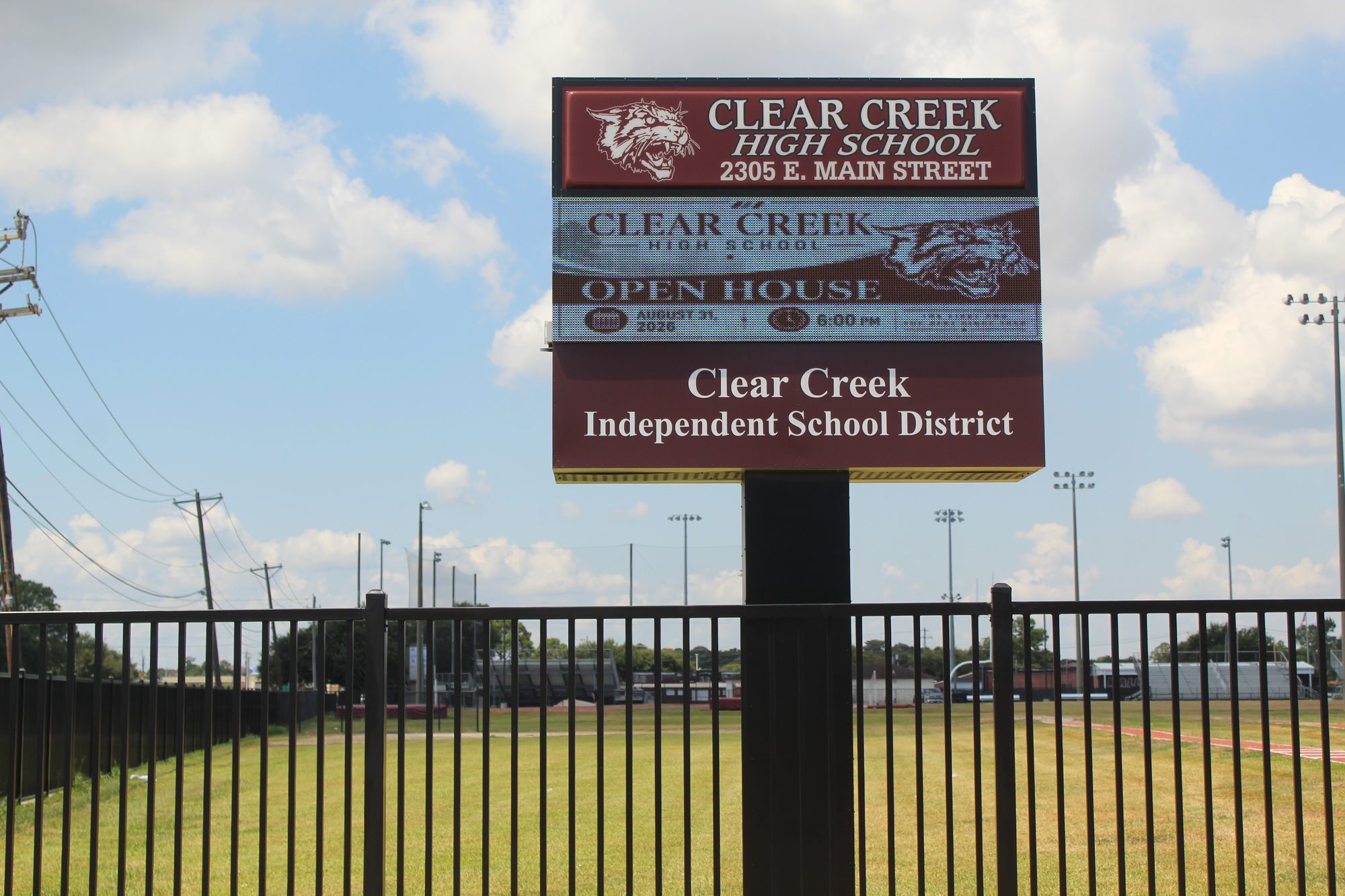
The voucher debate plays out against a separate set of budget pressures already squeezing Clear Creek ISD. The district's challenges are not tied to TEFA. They stem from enrollment decline, inflation, a six-year freeze in the state's basic per-student allotment and rising special education costs.
CCISD Chief Financial Officer Alice Benzaia told the board of trustees at a July 13 workshop that the pressures "all kind of come together," as Community Impact reported in August. Benzaia said the district was projecting an $18.4 million shortfall for fiscal year 2026-27.
The shortfall matters here. Any state decision to shift more dollars toward vouchers or to hold public school funding flat lands on a district already running thin.
Board member Arturo Sanchez said the state's per-student basic allotment would need to rise from $6,215 to $7,500 to keep up with costs, Community Impact reported. That increase would mean nearly $49 million in additional revenue for the district, he said. The allotment had been frozen at $6,160 per student from 2019 until a $55 increase passed in 2025.
Eckhardt told Houston Public Media she sees the comptroller's job as assessing how TEFA money was spent and reporting to lawmakers who benefited the most, the least and not at all. Huffines' approach would expand the program first and let the Legislature decide whether to fund the full waitlist.
Sanchez has urged League City families to engage their state representatives on school funding. The $49 million gap he identified between current allotments and what CCISD needs has not closed.