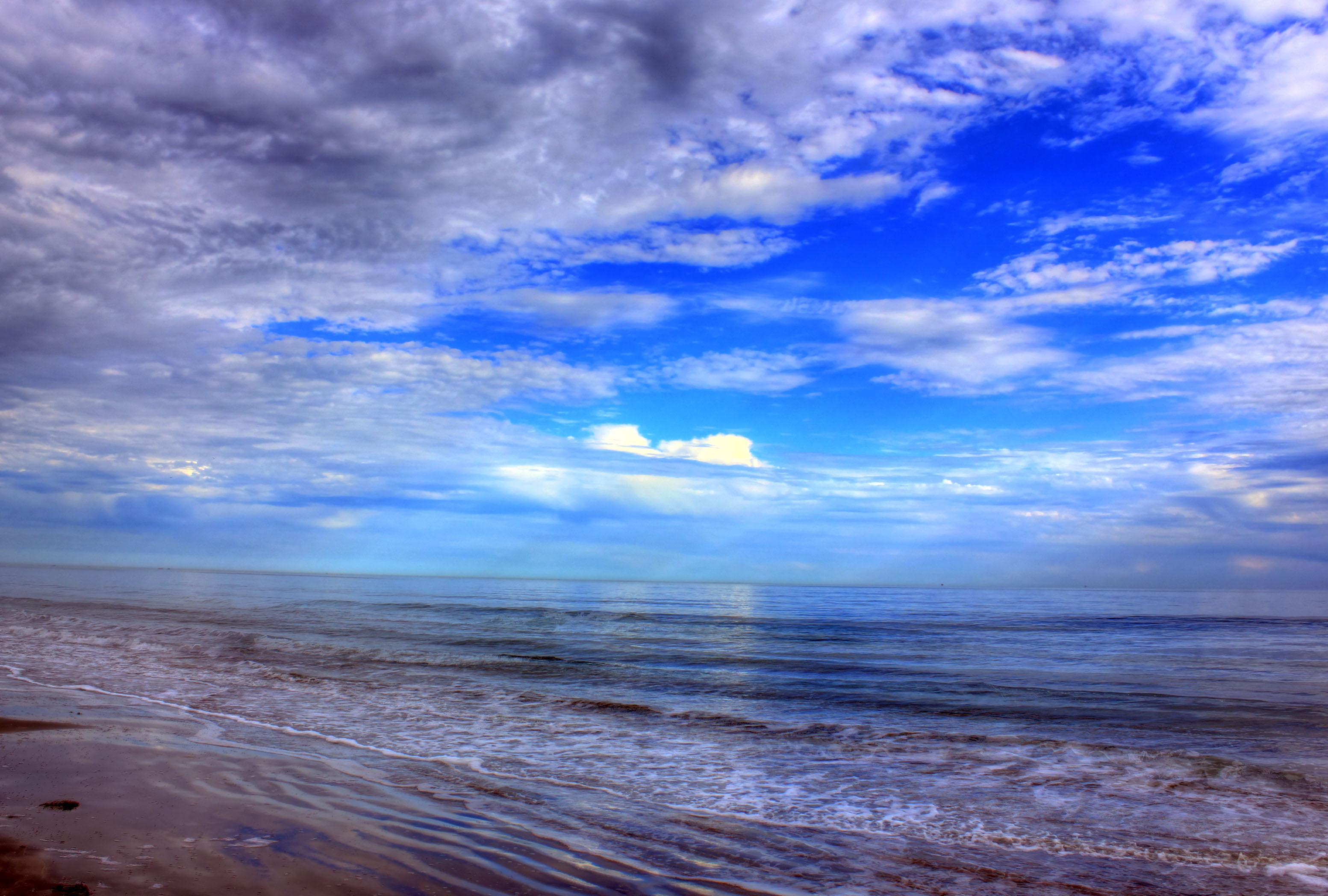
A red tide bloom off the Galveston coast could push Gulf seafood prices higher and force League City restaurants to rethink their menus if the algae lingers.
Texas Parks and Wildlife Department (TPWD) reported moderate to high concentrations of the toxin-producing algae Karenia brevis in water samples from Bolivar Peninsula, Crystal Beach and Galveston Island, according to FOX 26 Houston. Biologists began receiving bloom reports on Sept. 8, Houston Public Media reported. Fish kills composed mostly of Gulf menhaden and striped mullet have been documented along roughly 12 miles of coastline, according to TPWD.
The bloom is the first on the Texas coast since October 2023, according to ABC 13. That event lasted about a month.
Michael Shine, a representative of the Texas Restaurant Association, told FOX 26 Houston on Tuesday, Sept. 15 that no restaurants had raised concerns yet. But he said a prolonged bloom would squeeze an industry already dealing with rising food costs.
"If it is available, it's gonna cost more money," Shine said.
He added that depending on cost, a restaurant might pull certain items from its daily menu or offer them only on weekends. Shine said Gulf oysters are especially vulnerable to supply disruption, and restaurants serving fresh redfish could face shortages too.
If local supplies tighten, distributors could shift sourcing to Louisiana or Florida, Shine said. That would add transportation costs for restaurants along League City's FM 518 and I-45 corridors, where seafood-heavy spots are common. South Shore Grille, open since 2004 on Marina Bay Drive, lists grilled fish, fish tacos and fried shrimp among its staples.
Shine said distributors will not sell seafood that fails quality standards. Dr. Michael Wetz of the Harte Research Institute said seafood sold at restaurants and grocery stores is heavily monitored by the Texas Department of State Health Services (DSHS), including oysters harvested from Texas waters.
DSHS officials said molluscan shellfish legally available in markets and restaurants are safe to eat because they were harvested from areas the bloom has not reached, ABC 13 reported. Shellfish caught in red tide water are not safe even when cooked and can cause Neurotoxic Shellfish Poisoning.
Shine said the bloom could also dent Galveston-area tourism, creating a second hit for restaurants that depend on visitor traffic. The severity depends on how long the red tide persists. Blooms can last days, weeks or months, according to KHOU.
TPWD has not published a forecast for when the bloom will subside.