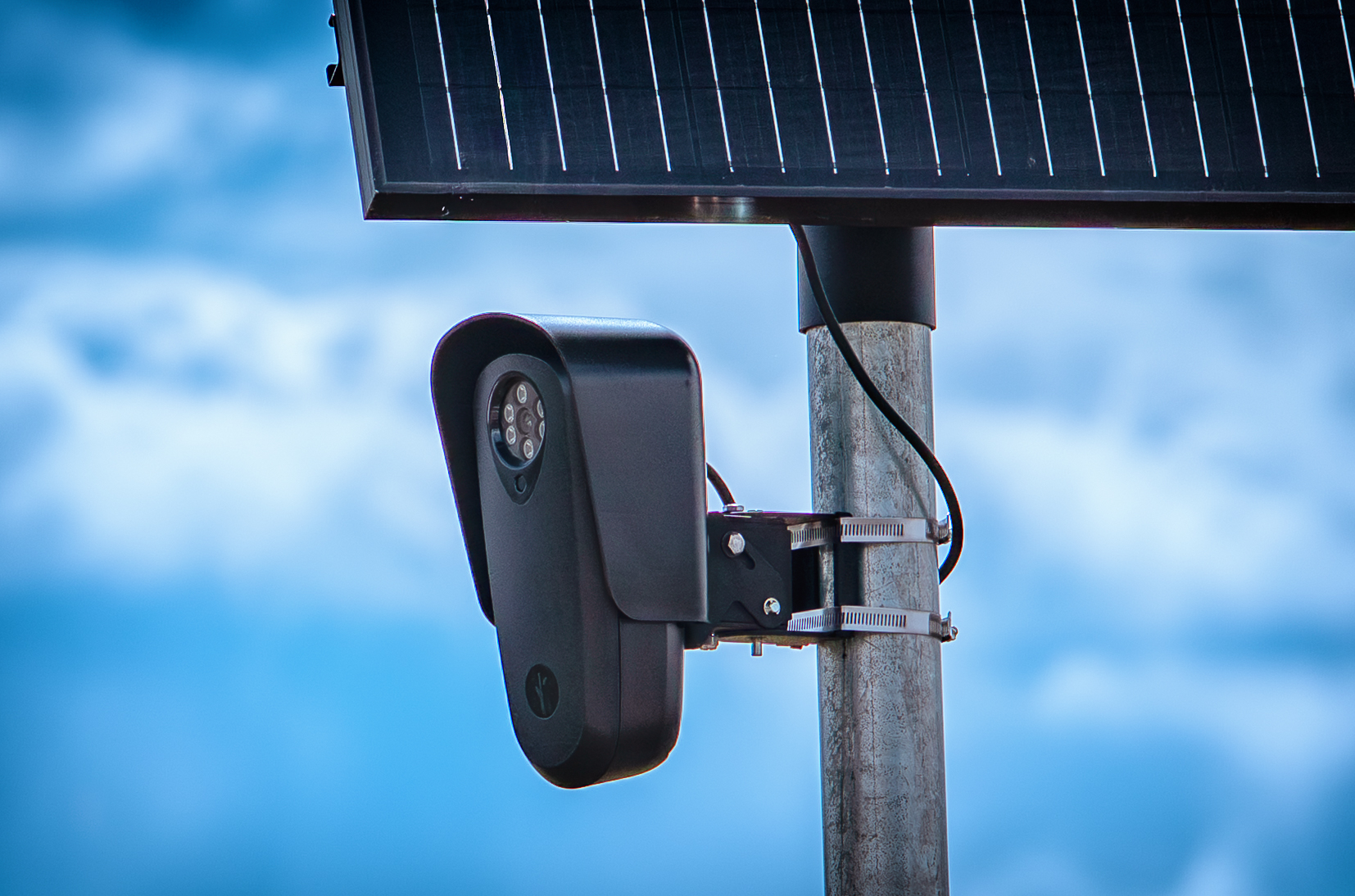
League City voters will decide whether police should keep using Flock Safety license plate reader cameras, and a Galveston murder case is putting the technology's value in sharp focus.
Richard Thomas, 74, was found dead at an apartment complex in the 8100 block of Seawall Boulevard in Galveston on April 3, 2025. His vehicle was missing. Galveston police said investigators used several tools, including Flock Safety's automated license plate recognition (ALPR) technology, to identify Isaac Elijah Garcia-Soto. Police said Garcia-Soto had Thomas' vehicle when he was arrested. He has been charged with murder, KHOU 11 reported Sept. 17.
"If it hadn't been for the Flock cameras, they wouldn't have caught him," Debra Thomas, Richard Thomas' ex-wife, told KHOU 11.
The ACLU of Texas, in a statement to KHOU 11, called for additional safeguards on ALPR systems. The organization wants warrants required before searches of historical vehicle data and regular audits of law enforcement use.
What League City voters face
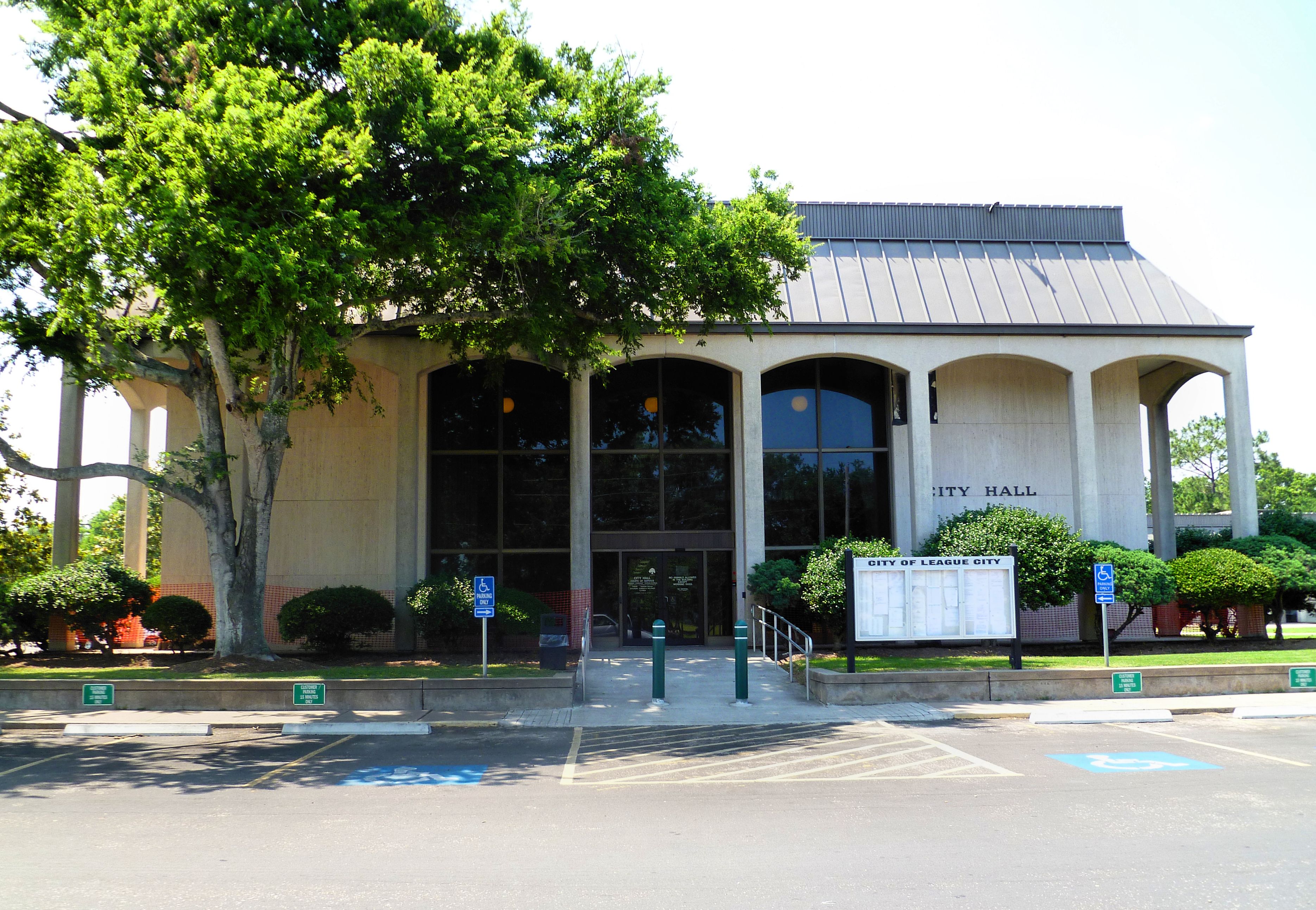
Proposition A asks a nonbinding advisory question: Should the League City Police Department continue using automated license plate reader cameras at fixed locations on public roadways? City Council approved placing the measure on the ballot on Aug. 11 under Ordinance No. 2026-27. The final ordinance passed unanimously, though a motion to add "non-binding" to the proposition language passed 6-1, with Councilman Chad Tressler casting the lone opposing vote.
The result will advise council but will not legally require the city to keep or remove the cameras.
League City has 55 active Flock cameras, with 16 more awaiting Texas Department of Transportation (TxDOT) permits. The city first approved funding for 42 cameras as part of its fiscal year 2023 budget. In December 2023, council approved a five-year agreement valued at nearly $900,000 covering 70 cameras.
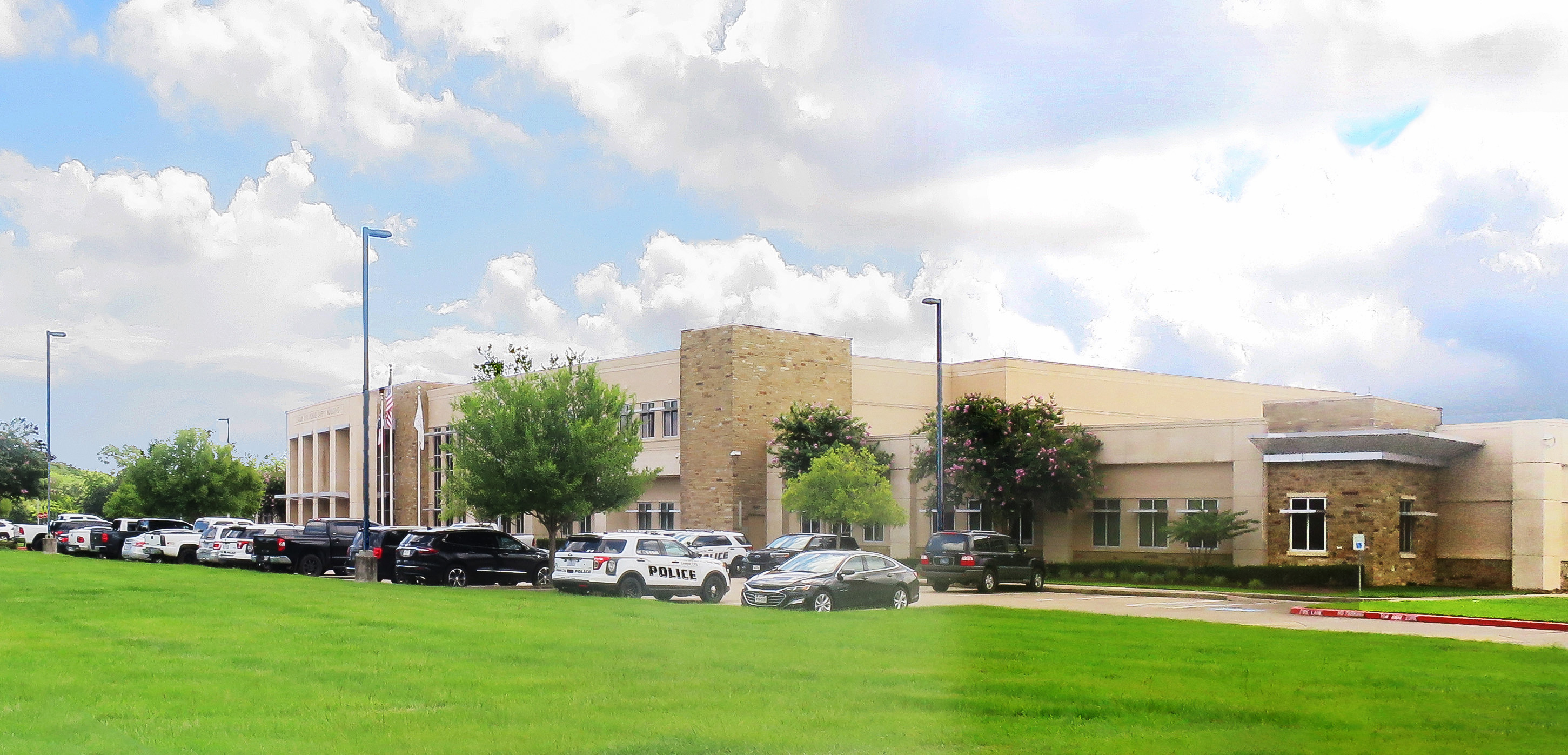
According to the city, police used the system in 305 criminal investigations over a recent 12-month period and credit it with helping recover roughly $1 million in stolen property.
Privacy concerns and misuse
The cameras photograph passing vehicles and record license plates, vehicle make, model, color and location. They do not use facial recognition, identify drivers or passengers, or provide live video. Data is deleted after 30 days unless flagged as evidence, according to the police department.
League City shares its Flock data with 436 Texas law enforcement agencies and the FBI. The city says it does not share data with ICE, Border Patrol, businesses or homeowners associations.
Mayor Nick Long told Houston Public Media in August that existing safeguards may not be consistently enforced. He said if voters support keeping the cameras, the city would develop an online transparency portal showing camera locations, use and access, and create a citizens accountability committee to conduct regular reviews.
Misuse has surfaced elsewhere. The Texas City Police Department announced Sept. 17 that it would tighten oversight of its Flock cameras after identifying two instances of possible misuse, Houston Public Media reported. Officers in Baytown and Pasadena resigned over alleged Flock camera misuse, according to Mayor Long at the Aug. 11 council meeting.
Early voting details
Early voting for the Nov. 3 election runs Oct. 19 through Oct. 30. League City locations include the League City Annex at 174 Calder Dr., The Crossings at 255 Egret Bay Blvd., the Public Works Operations Center at 1701 W. League City Pkwy. and Hometown Heroes Park at 1001 E. League City Pkwy.