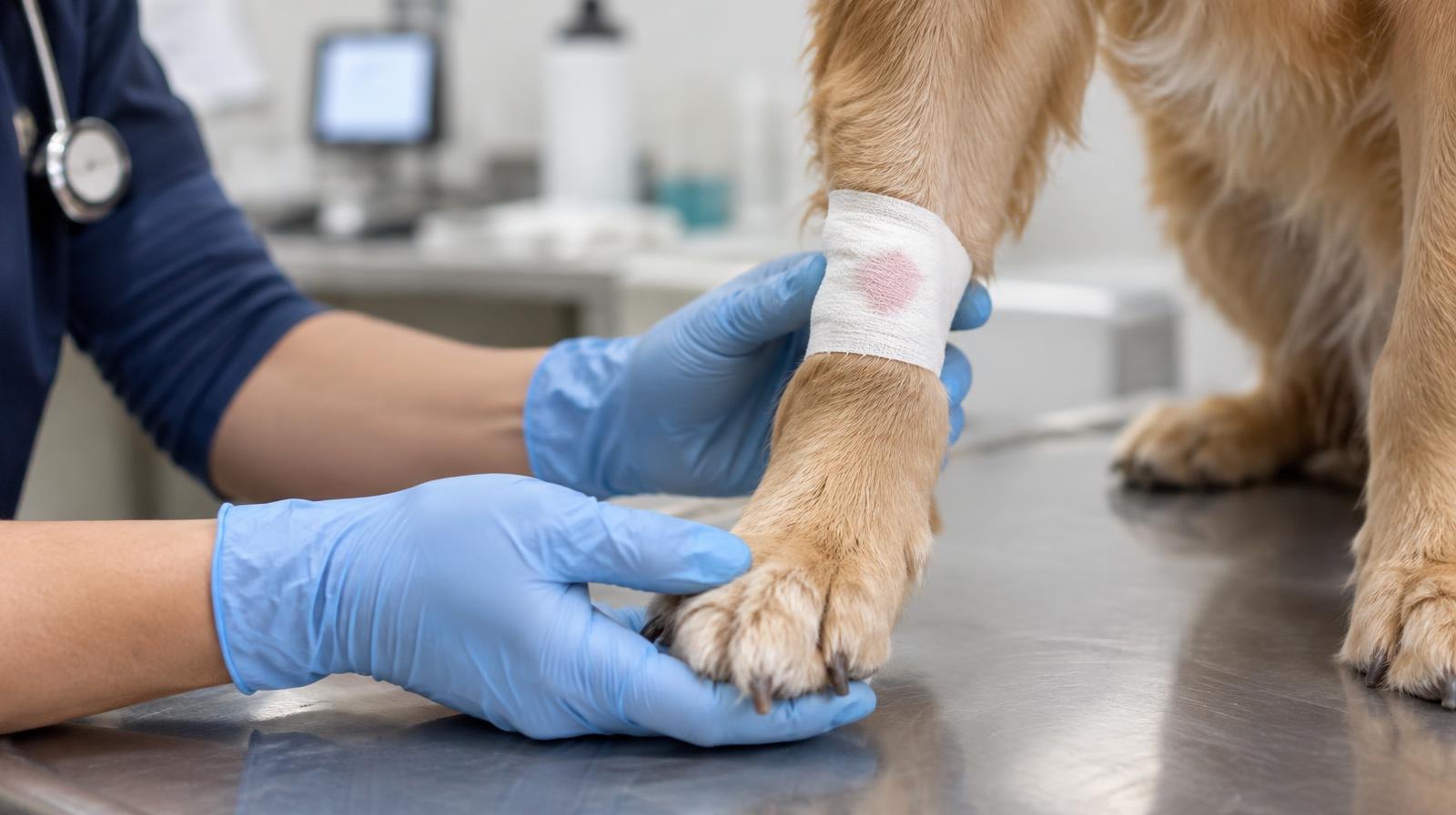
The flesh-eating New World screwworm parasite has now been confirmed in Texas, New Mexico and Arizona, with cases spreading to dogs and cats for the first time in the current outbreak.
The U.S. Department of Agriculture (USDA) has tracked more than 70 confirmed animal cases since June, according to Houston Public Media, with 18 cases still active as of Oct. 28. Five of the latest cases involved four dogs and a cat.
No confirmed cases have been reported in Galveston County. The Texas Animal Health Commission (TAHC) lists movement restrictions in 14 West and South Texas counties, including Brewster, Pecos, Presidio and Val Verde. But the parasite's spread across three states since its first Texas detection on June 3 has prompted state and federal officials to urge all pet owners to stay alert.
What the screwworm does
Despite its name, the New World screwworm is not a worm. It is the larval stage of the fly Cochliomyia hominivorax, a parasite that feeds on living tissue of warm-blooded animals, according to the U.S. Food and Drug Administration (FDA).
An adult female screwworm fly lays eggs in open wounds or natural body openings. The larvae hatch within hours and burrow into living flesh, unlike common maggots that feed on dead tissue. Without treatment, animals can die within one week of infestation, according to the TAHC.
Signs to watch for
The USDA urges pet owners to check animals regularly for:
- Wounds that worsen instead of healing
- Bloody, thick or foul-smelling drainage
- Visible larvae or egg masses in a wound
- Swelling around an injury
- Signs of pain, restlessness or unusual behavior
Veterinarians recommend inspecting pets after any injury, surgery or condition that creates an open wound, according to Houston Public Media. Body openings such as the nose, ears and genitalia should also be monitored for drainage or foul odors, the TAHC said.
Treatments now available over the counter
The FDA authorized Capstar and its generic equivalent, nitenpyram, in September for both prevention and treatment of screwworm infestations in dogs and cats at least four weeks old and weighing at least two pounds. Both are available without a prescription.
The FDA has issued 15 Emergency Use Authorizations and three conditional approvals for animal drugs targeting the screwworm, according to the agency's website. Other authorized treatments include Simparica TRIO for dogs and NexGard COMBO for cats, though those require a veterinarian.
Officials still urge pet owners to seek immediate veterinary care if they suspect an infestation, even with over-the-counter options available.
The outbreak so far
The first case in the current outbreak was confirmed June 3 in a calf in Zavala County, according to the TAHC. Twenty Texas counties now have at least one confirmed detection, with 51 premises affected statewide.
The outbreak has primarily hit livestock and wildlife, including a wild elk in Pecos County. But the recent pet cases have widened concern. Arizona confirmed its first case Oct. 28 in a dog in Cochise County, Drovers reported. October has seen the largest monthly case count, with 19 cases recorded through Oct. 28 compared to three in September, according to Drovers.
The USDA and TAHC have expanded surveillance, restricted animal movement in designated zones and released sterile flies to disrupt screwworm reproduction. Federal officials committed $25 million toward expanding sterile fly operations in Douglas, Ariz., according to Drovers.
Can people get it?
Human infestations are rare, according to Houston Public Media. Most occur when untreated wounds are exposed in areas where the fly is active. The USDA said the screwworm is not a food safety threat because inspection systems keep infested animals out of the commercial meat supply.
How to report a suspected case
The TAHC asks pet and livestock owners to report suspected infestations within 24 hours. Residents can contact a TAHC regional office or call the Veterinarian on Call line at 1-800-550-8242.